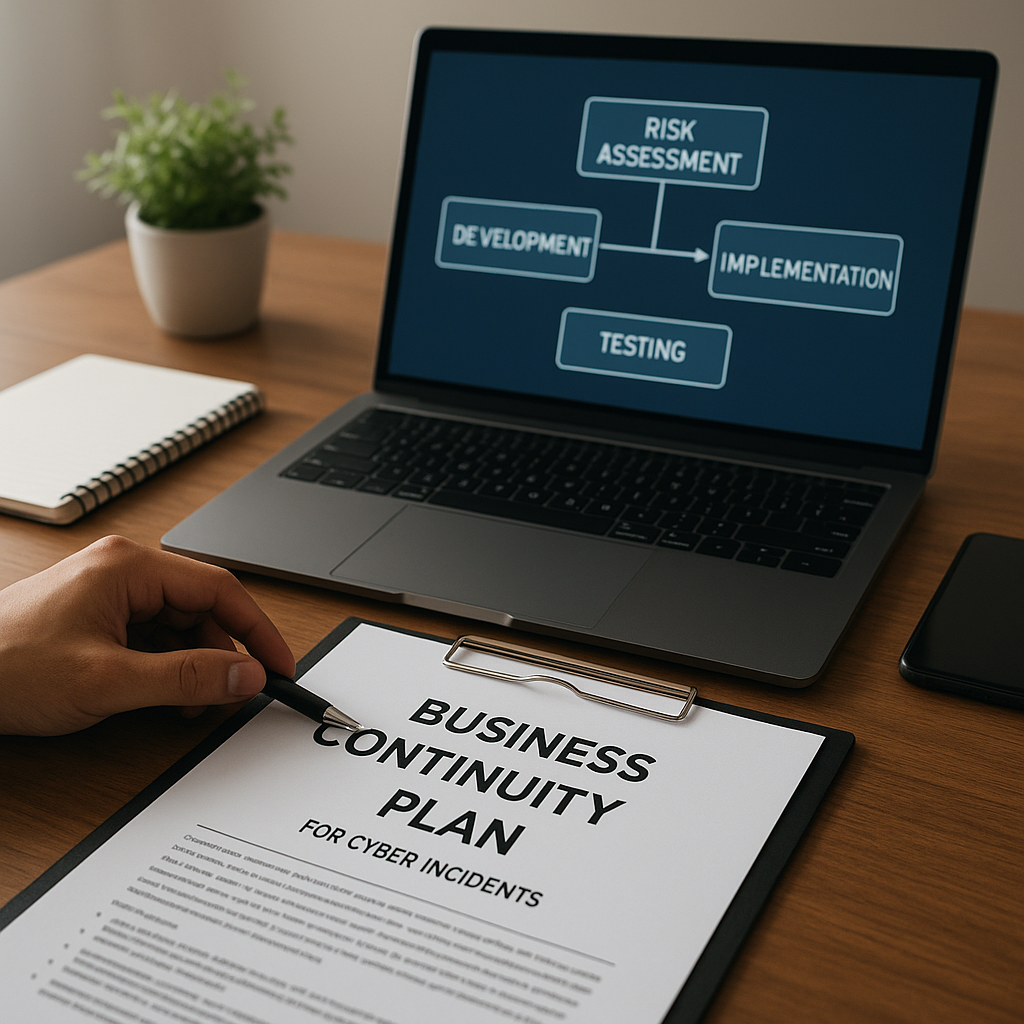
Creating a robust business continuity plan for cyber incidents is essential to safeguard operations, assets, and reputation. By establishing a structured approach, organizations can minimize downtime, protect critical data, and maintain stakeholder trust when facing digital disruptions. The following guide outlines key steps and best practices to develop a comprehensive strategy that enhances resilience against evolving cyber threats.
Risk Assessment and Impact Analysis
Before designing any continuity measures, you must perform a thorough evaluation of potential threats and existing vulnerabilities. This phase identifies which assets and processes are most critical and quantifies the possible impact of a cyber incident.
Identify Critical Assets and Processes
- Inventory hardware, software, and data repositories that your organization relies on.
- Rank assets by their importance to daily operations, revenue generation, and regulatory compliance.
- Engage cross-functional teams to ensure no key component is overlooked.
Evaluate Threat Scenarios
- Analyze potential attack vectors, such as ransomware, phishing, DDoS attacks, or insider threats.
- Examine past security incidents and industry-specific trends to forecast likely risks.
- Leverage threat intelligence platforms to stay informed about emerging cybercriminal tactics.
Determine Recovery Objectives
Documenting recovery goals allows you to prioritize response efforts and allocate resources effectively. Two essential metrics are:
- Recovery Time Objective (RTO): Maximum acceptable downtime for each function.
- Recovery Point Objective (RPO): Maximum permissible data loss measured in time.
Develop Response Strategies
With a clear understanding of risks and objectives, you can design targeted strategies to mitigate disruptions and restore operations swiftly. These measures should address prevention, detection, containment, and recovery.
Prevention and Hardening
- Implement advanced cybersecurity tools, including firewalls, intrusion detection systems, and endpoint protection.
- Enforce secure configuration standards and patch management to close known exploits.
- Conduct regular security awareness training to reduce human error and social engineering success.
Detection and Alerting
- Deploy network and system monitoring solutions to identify anomalous behavior in real time.
- Define thresholds for automated alerts to ensure rapid escalation when suspicious activity occurs.
- Integrate security event and incident management (SEIM) platforms for centralized log analysis.
Containment and Eradication
- Establish procedures to isolate compromised systems and prevent lateral movement.
- Create playbooks outlining roles, responsibilities, and specific actions for IT teams and external partners.
- Maintain secure forensics capabilities to investigate root cause without jeopardizing evidence.
Recovery and Restoration
- Define step-by-step recovery workflows, ensuring alignment with RTO and RPO targets.
- Document backup procedures for on-site and off-site copies, including frequency and retention policies.
- Plan for alternate work locations, redundant infrastructure, and cloud-based failover options.
Plan Implementation and Communication
An effective continuity plan relies on clear governance, defined roles, and seamless coordination among all participants. Communication is a cornerstone of maintaining confidence and ensuring smooth execution under pressure.
Establish Governance and Roles
- Designate a dedicated Business Continuity Team with defined leadership and escalation paths.
- Assign specific tasks—such as system recovery, stakeholder notification, and media response—to named individuals.
- Secure executive endorsement to ensure adequate funding and cross-departmental support.
Develop Communication Protocols
- Create templates for internal and external notifications, including regulatory authorities and clients.
- Specify communication channels and backup methods, such as secure messaging apps or satellite phones.
- Schedule regular updates to keep stakeholders, vendors, and employees informed of status and next steps.
Coordinate with Third Parties
- Review contracts with service providers, ensuring continuity requirements and service-level agreements are incorporated.
- Share relevant portions of your plan with partners, while protecting sensitive information through non-disclosure agreements.
- Conduct joint exercises to validate interoperability and identify gaps in shared procedures.
Testing, Maintenance, and Continuous Improvement
Building a continuity plan is not a one-time effort. Regular validation and updates are crucial for sustaining operational readiness in a dynamic threat landscape.
Conduct Regular Drills and Exercises
- Organize tabletop sessions to walk through incident scenarios and decision points.
- Perform technical failover tests, simulating data recovery and switchover to backup systems.
- Document lessons learned and revise playbooks to address identified weaknesses.
Review and Update Plan Documentation
- Schedule periodic reviews, at least annually or after significant infrastructure changes.
- Incorporate feedback from incident debriefings, security audits, and evolving compliance standards.
- Maintain version control, ensuring the latest plan is accessible to authorized personnel.
Embrace Continuous Improvement
Adopt a proactive mindset, leveraging metrics and analytics to measure performance against recovery objectives. Use key performance indicators such as mean time to detect (MTTD) and mean time to recover (MTTR) to drive enhancements. Encourage a culture of resilience and adaptability, where every incident becomes an opportunity to strengthen defenses and refine procedures.
Stay Informed and Adaptive
- Monitor regulatory changes and industry best practices to ensure ongoing compliance.
- Engage with cybersecurity communities and forums to share insights and learn from peer experiences.
- Invest in emerging technologies, such as artificial intelligence and machine learning, to automate threat detection and response.
By following these structured steps, organizations can establish a robust business continuity plan that fortifies their defenses, empowers rapid recovery, and maintains trust among customers, partners, and regulators during cyber crises.