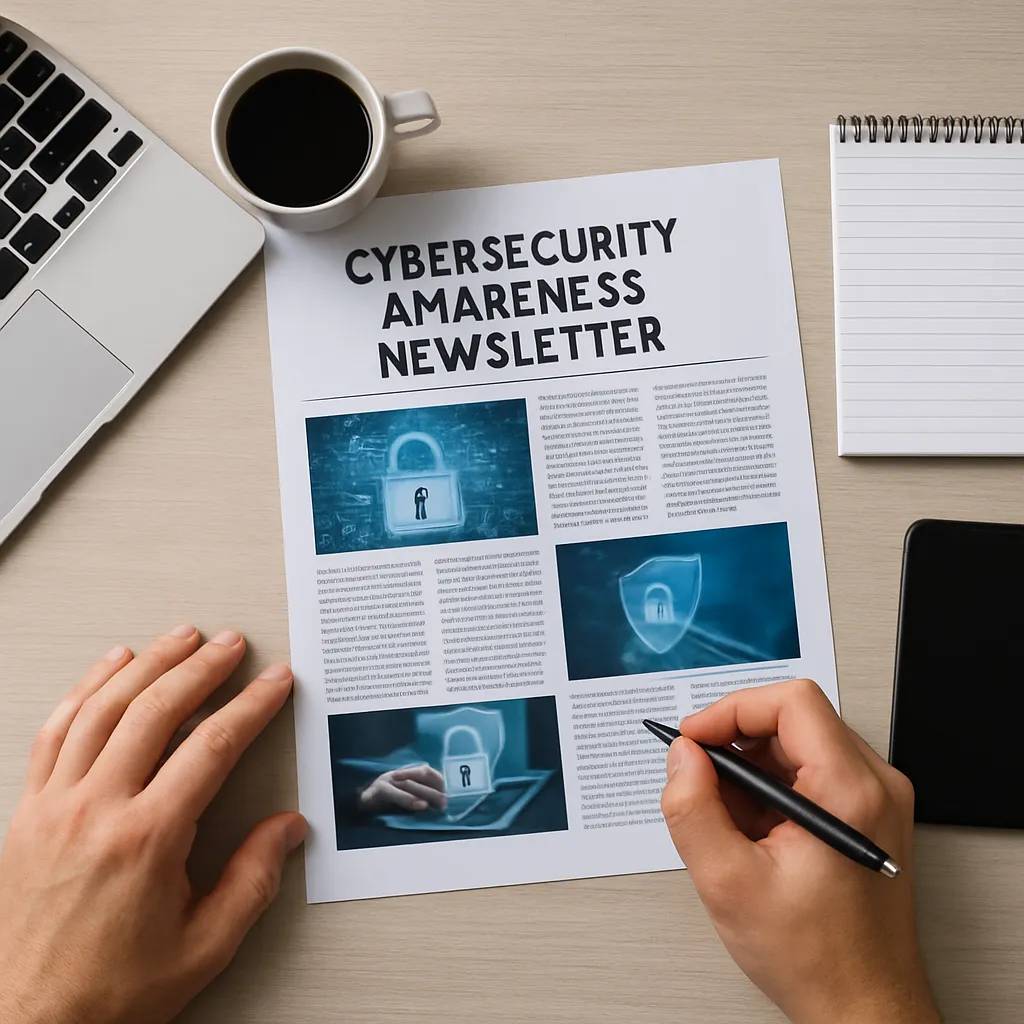
Insider data theft poses one of the most complex challenges in business security. When trusted team members or contractors misuse their privileges, the consequences can be devastating both financially and reputationally. This article examines proactive and reactive strategies to address data theft from within, offering guidance on culture, access management, cyber tools, and response planning.
Strengthening Organizational Culture and Awareness
Creating a culture of security starts with clear policies and ongoing training. Employees who understand the stakes and their personal responsibilities are the first line of defense against insider threats.
Defining Clear Acceptable Use Policies
Every organization should maintain documented guidelines on acceptable use of systems and data. These policies must outline:
- Authorized vs. unauthorized data handling
- Consequences of policy violations
- Reporting mechanisms for suspicious behavior
Regular Training and Ethical Reinforcement
Periodic workshops and simulated exercises reinforce security awareness. Topics include recognizing social engineering tactics, responsibilities when accessing sensitive files, and channels for reporting anomalies without fear of retaliation.
Empowering a Speak-Up Culture
Encourage team members to flag unusual activities by implementing anonymous reporting tools. A culture that values transparency and accountability can deter malicious insiders who rely on secrecy.
Implementing Robust Access Controls
Controlling who can access critical systems and data is foundational. Layered access control measures reduce the risk that a trusted employee or external contractor can exploit privileges for malicious ends.
Least Privilege Principle
Grant users only the minimal level of access necessary to perform their duties. Review and revoke elevated permissions promptly when roles change or projects conclude. This limits the damage potential if credentials are compromised or misused.
Multi-Factor Authentication and Secure Credentials
Require encryption-backed, multi-factor authentication on all high-risk systems. Temporary credentials, rotating keys, and hardware tokens strengthen login security and make unauthorized access markedly more difficult.
Segmentation and Network Zoning
Divide networks into logical zones with distinct security rules. Critical databases should sit in isolated segments monitored closely. Even if an insider gains foothold in one area, lateral movement remains constrained.
Leveraging Monitoring and Detection Tools
Effective insider threat mitigation hinges on timely detection of suspicious activities. Logging, behavioral analytics, and automated alerting form the backbone of a proactive monitoring strategy.
Comprehensive Logging and Audit Trails
Record all access events, file transfers, and configuration changes. Logs should be immutable and stored offsite or in a tamper-evident system. Detailed audit trails help pinpoint exact timelines and actors during investigations.
Behavioral Analytics and Anomaly Detection
Implement User and Entity Behavior Analytics (UEBA) platforms that leverage machine learning to identify deviations from routine patterns. Alerts can trigger when an employee downloads unusually large volumes of sensitive files or accesses prohibited directories.
Integrating Endpoint Monitoring
Deploy endpoint agents that track clipboard usage, USB device connections, and application installations. By correlating endpoint events with network logs, security teams gain a holistic view of potential insider compromises.
Developing an Effective Incident Response Plan
No security posture is infallible. A well-defined incident response plan ensures that teams can react swiftly to contain and recover from an insider breach.
Establishing Clear Roles and Communication Paths
Define the incident response team structure, assigning responsibilities across legal, HR, IT, and public relations. Pre-approved communication templates and escalation matrices reduce confusion during high-pressure situations.
Containment and Forensic Investigation
Upon detection of a potential insider incident, immediately revoke compromised credentials and isolate affected systems. Engage forensic specialists to preserve evidence for internal review or legal proceedings. Forensic analysis can reveal data exfiltration methods and affected records.
Recovery and Lessons Learned
After containment, restore systems from clean backups and patch vulnerabilities exploited during the breach. Conduct a postmortem to identify process gaps. Integrate findings into updated confidentiality agreements, technical controls, and staff training modules to prevent recurrences.
Balancing Privacy and Security
Monitoring employees must comply with data protection laws and respect individual privacy. Striking the right balance involves anonymizing routine behavior data while maintaining the ability to investigate clearly malicious actions.
Privacy Impact Assessments
Before deploying surveillance technologies, perform impact assessments that outline data retention periods, access restrictions, and oversight mechanisms. Transparent policies help build trust and legal compliance.
Role-Based Privacy Filters
Limit investigator access to relevant logs and metadata. Filters ensure that only authorized personnel view sensitive personal data, mitigating the risk of privacy violations during routine monitoring.
Continuous Improvement and Future-Proofing
Insider threat landscapes evolve with technology and workforce dynamics. Adopt a cycle of audit, feedback, and enhancement to keep defenses aligned with emerging risks.
Regular Security Audits and Red Team Exercises
Engage external auditors and ethical hackers to simulate insider attacks. These exercises uncover blind spots and validate the effectiveness of your monitoring and response frameworks.
Staying Updated on Regulatory Changes
As data protection regulations tighten globally, adjust your controls to meet new requirements. Compliance not only avoids penalties but often strengthens overall defenses against incident response challenges.
Investing in Advanced Analytics and AI
Future-proof your security posture with predictive analytics that anticipate risky behaviors before harmful actions occur. AI-driven platforms can correlate vast data sets to flag subtle signals indicative of an insider preparing to exfiltrate confidential information.