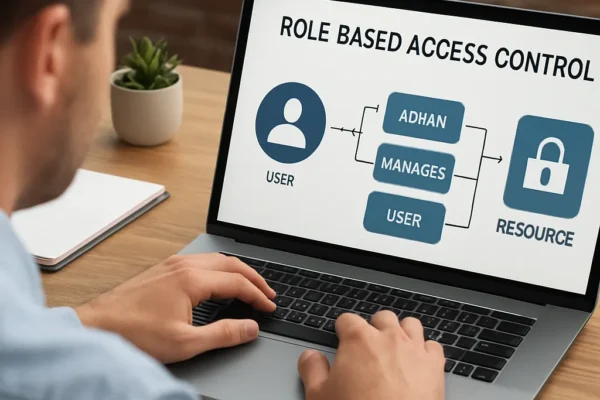
How to Implement Role-Based Access Control (RBAC)
Implementing Role-Based Access Control (RBAC) is a critical strategy for enhancing an organization’s security posture, ensuring that employees have only…
Implementing Role-Based Access Control (RBAC) is a critical strategy for enhancing an organization’s security posture, ensuring that employees have only…

Organizations operating across multiple jurisdictions face a unique set of challenges when striving to uphold robust security measures. Variations in…

Embracing a proactive security stance is essential for organizations facing an ever-evolving threat landscape. Continuous Threat Intelligence empowers businesses to…

Effective integration of cybersecurity into corporate governance demands a holistic approach that aligns technical protections with organizational decision-making. As businesses…

Protecting intellectual property in today’s interconnected landscape demands a multifaceted approach that combines technology, policy, and organizational culture. As businesses…
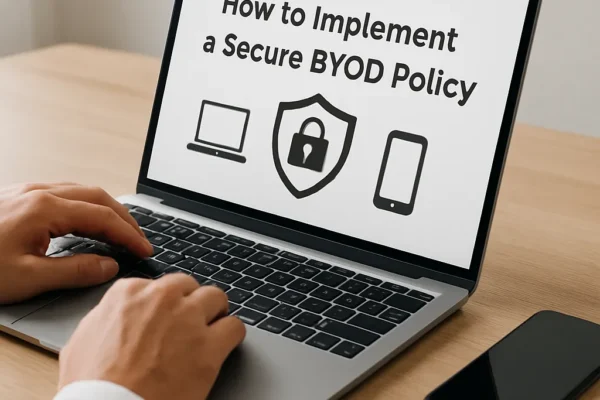
Implementing a secure Bring Your Own Device (BYOD) policy requires a strategic blend of technology, governance, and user cooperation. When…

Digital payment systems have revolutionized the way businesses and consumers exchange value, enabling swift transactions across borders and devices. However,…

Effective collaboration often hinges on the seamless exchange of sensitive data between companies. Protecting these exchanges requires a multi-layered approach,…

Implementing robust security measures and procedures is critical for protecting sensitive data and ensuring uninterrupted business operations. A strategic approach…

Building a secure remote work infrastructure demands a strategic approach combining technology, processes, and human vigilance. Organizations must address evolving…