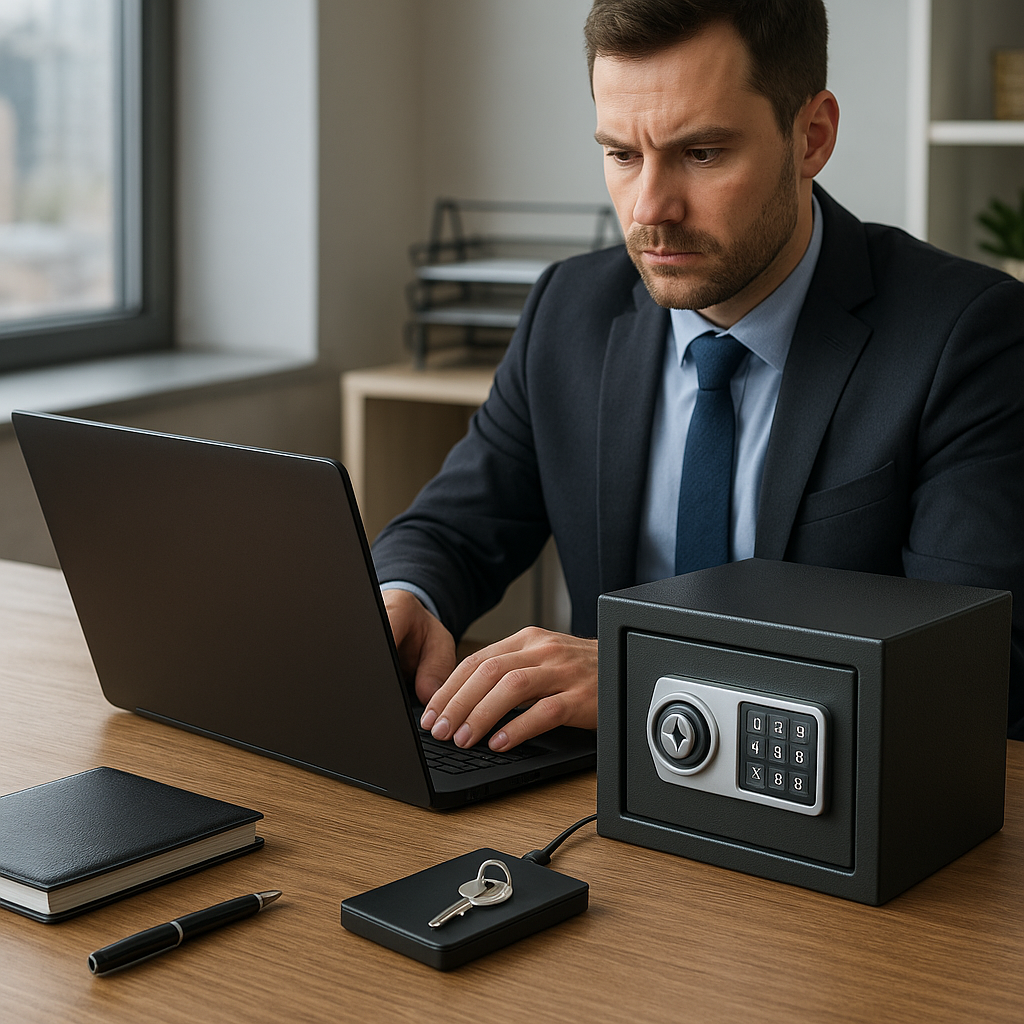
Protecting business data from unauthorized access is a critical component of any comprehensive security strategy. Physical theft of servers, laptops, documents, and storage media can result in devastating financial and reputational losses. This article outlines practical steps to fortify your organization’s defenses, reduce vulnerabilities, and ensure continuity.
Strengthening Physical Security Perimeter
Establishing a secure perimeter is the first line of defense against physical intrusions. Without robust barriers, your sensitive assets remain exposed to opportunistic thieves and determined intruders.
Perimeter Barriers and Access Points
- Install security fencing and controlled gates to deter unauthorized entry.
- Use bollards or reinforced planters to block vehicle ramming attacks.
- Employ electronic locks with access control mechanisms at all entry points.
Surveillance and Monitoring
- Deploy surveillance cameras in parking lots, loading docks, and server rooms.
- Implement motion sensors and alarms on critical doors and windows.
- Maintain continuous monitoring through a centralized security operations center.
Secure Zones and Physical Barriers
Identify high-value areas—such as data centers, filing cabinets with sensitive documents, and equipment storage—and designate them as secure zones. Reinforce walls, doors, and windows with steel panels or shatterproof glass. Consider using mantraps, a small space with two interlocking doors, to verify credentials before granting access.
Implementing Rigorous Access Control
An effective access control framework ensures that only authorized personnel can interact with valuable data and equipment.
Multi-Factor Authentication (MFA)
Combine something the user knows (PIN or password), something the user has (smart card or token), and something the user is (biometric authentication). MFA deters intruders who may bypass one security layer but cannot replicate multiple factors simultaneously.
Role-Based Access and Authorization
- Define clear roles for employees, contractors, and vendors, limiting privileges to the minimum necessary (least privilege principle).
- Use electronic access logs to track entry and exit times, enabling rapid incident investigation.
- Regularly review and revoke outdated credentials to prevent “ghost accounts.”
Visitor Management
Implement a strict visitor registration process with photo ID verification, visitor badges, and escorted access. Unattended or unescorted guests should be denied access to restricted areas. Electronic visitor logs can also integrate with access control systems for real-time monitoring.
Safeguarding Hardware and Storage Media
Physical theft often targets laptops, external drives, and removable media. By securing these devices, organizations substantially reduce the risk of data breaches.
Secure Device Storage
- Store laptops and external hard drives in lockable cabinets or safes when not in use.
- Use laptop locks and docking stations that anchor devices to desks or racks.
- Label all equipment with asset tags and maintain an accurate inventory management system.
Encrypted Storage Media
Implement full-disk encryption on all portable devices to guarantee that stolen hardware yields zero usable data without the correct decryption key. Use hardware-based encryption modules and secure key management practices to prevent key theft.
Data Destruction Policies
At the end of a device’s lifecycle, use certified wiping tools to overwrite data or physically shred hard drives. Maintain a documented chain of custody for media disposal to demonstrate compliance with data protection regulations.
Establishing Backup and Recovery Procedures
Even with the best preventive measures, physical theft can occur. A robust backup strategy ensures swift recovery and minimal downtime.
Offsite and Cloud Backups
- Replicate critical data to secure offsite facilities or encrypted cloud storage.
- Automate backups to run at regular intervals, ensuring the latest versions are always available.
- Test restore processes periodically to confirm data integrity and recovery speed.
Immutable and Versioned Snapshots
Use storage solutions that offer immutable backups and versioning, preventing malicious or accidental data alterations. This approach secures previous states and allows rollback to a known-good configuration.
Disaster Recovery Planning
- Develop a formal incident response plan that outlines roles, responsibilities, and communication channels.
- Conduct tabletop exercises and drills to validate procedures under simulated theft scenarios.
- Integrate recovery objectives—Recovery Time Objective (RTO) and Recovery Point Objective (RPO)—into service level agreements with vendors.
Cultivating a Security-Conscious Workforce
Human error and negligence often facilitate physical breaches. Empowering employees through awareness and clear policies strengthens your overall security posture.
Comprehensive Security Training
Offer mandatory training sessions that cover:
- Identifying suspicious behavior and reporting incidents promptly.
- Proper handling and storage of sensitive documents and devices.
- Adherence to clean desk policies to eliminate unattended paperwork.
Clear Policies and Enforcement
Document policies in an accessible format, emphasizing consequences for non-compliance. Regular audits and spot checks reinforce accountability. Encourage a culture where staff feel responsible for organizational security rather than viewing it as a burden.
Security Awareness Campaigns
- Disseminate posters, newsletters, and email reminders about physical security best practices.
- Recognize employees who report potential threats or demonstrate exemplary vigilance.
- Use gamification techniques—quizzes or rewards—to maintain engagement over time.
Vendor and Third-Party Risk Management
Third-party contractors and service providers can introduce vulnerabilities if their security controls are weak or misaligned with yours.
Due Diligence and Contractual Safeguards
- Perform risk assessments before onboarding new vendors, focusing on their physical security measures.
- Include security requirements—such as CCTV coverage, access controls, and credential management—in contracts.
- Mandate periodic audits and compliance reports to validate ongoing adherence.
Onsite Supervision and Audits
When vendors enter secure premises, ensure they are accompanied by authorized personnel. Maintain logs of all vendor interactions, and conduct surprise audits to verify that their practices meet contractual standards.
Continuous Improvement and Security Reviews
Security is not a one-time effort but an ongoing process. Regularly evaluate and enhance physical safeguards to adapt to evolving threats.
Periodic Risk Assessments
- Review the effectiveness of perimeter defenses, surveillance systems, and access controls.
- Perform penetration tests and red-team exercises to identify unforeseen vulnerabilities.
- Adjust security budgets and resource allocation based on assessment findings.
Incident Analysis and Lessons Learned
Document all theft attempts, near-misses, and actual incidents. Analyze root causes, update policies, and refine procedures. Sharing lessons learned across departments fosters a more resilient organization.
Technology Upgrades and Integration
Stay informed about new advances—such as AI-driven video analytics, smart locks, and automated patrol robots. Evaluate which solutions align with your risk profile and integrate them to strengthen overlapping security layers.


