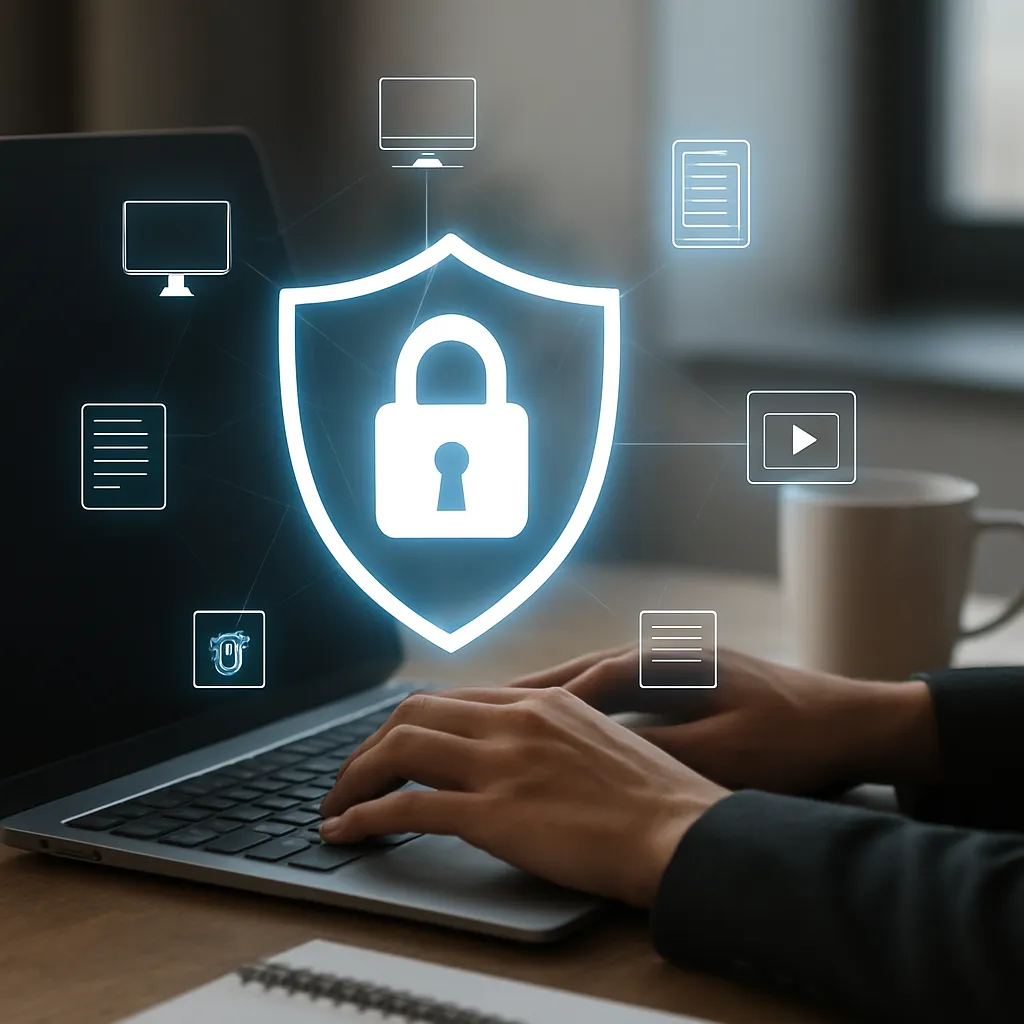
Protecting intellectual property in today’s interconnected landscape demands a multifaceted approach that combines technology, policy, and organizational culture. As businesses expand their digital footprint, valuable innovations, proprietary data, and creative assets become vulnerable to unauthorized access, theft, or misuse. This article explores essential strategies to defend your organization’s intangible assets against evolving threats.
Understanding Digital Threats to IP
Organizations must first recognize the array of risks that can jeopardize their competitive advantage. Common digital threats include:
- Cyber espionage: State-sponsored or corporate spies infiltrate networks to steal trade secrets.
- Piracy: Illicit distribution of copyrighted content, such as software, designs, or media files.
- Insider threats: Disgruntled employees or contractors misuse credentials to exfiltrate sensitive documents.
- Phishing and social engineering: Attackers trick staff into revealing passwords or confidential information.
Awareness of these vectors forms the foundation for a robust IP protection program. Conducting a comprehensive risk assessment helps identify critical assets and weak points in your defenses.
Implementing Technical Safeguards
Deploying the right technologies is vital to fortify your network and data repositories:
1. Encryption and Access Control
- Use encryption to protect data at rest and in transit. Implement TLS for communications and AES-256 for stored files.
- Establish role-based access control (RBAC) so employees can access only what’s necessary for their duties.
- Adopt multi-factor authentication (MFA) to reduce the risk of account compromise.
2. Network Defense Measures
- Install and maintain next-generation firewalls to inspect incoming and outgoing traffic.
- Utilize intrusion detection and prevention systems (IDPS) to monitor for abnormal patterns.
- Segment your network to isolate R&D environments, production servers, and public-facing portals.
3. Digital Watermarking and Rights Management
- Embed imperceptible watermarking in digital assets to trace leaks back to the source.
- Leverage digital rights management (DRM) tools to control usage, copying, and distribution of sensitive content.
4. Continuous Monitoring and Incident Response
- Implement security information and event management (SIEM) tools to aggregate logs and generate real-time alerts.
- Define an incident response plan that outlines roles, communication protocols, and recovery steps.
- Conduct regular penetration tests and vulnerability scans to uncover hidden flaws.
Legal Strategies and Best Practices
Technology alone cannot ensure full protection. Legal frameworks and contractual safeguards play a crucial role:
1. Intellectual Property Registration
- File patents for inventions, trademarks for brand elements, and copyrights for creative works in relevant jurisdictions.
- Maintain precise records of development timelines, authorship, and contributions.
2. Robust Contractual Agreements
- Incorporate non-disclosure agreements (NDAs) with employees, partners, and vendors to establish confidentiality obligations.
- Include non-compete clauses and explicit IP assignment provisions in employment contracts.
3. Compliance with Global Regulations
- Stay current with international standards such as the Trade-Related Aspects of Intellectual Property Rights (TRIPS) agreement.
- Adhere to data protection laws like GDPR, which can intersect with IP safeguards when handling personal data tied to proprietary research.
4. Enforcement and Litigation
- Monitor marketplaces and online platforms for infringing content or unauthorized sales.
- Work with specialized legal counsel to issue cease-and-desist letters and pursue litigation when necessary.
Fostering a Security-First Culture
Human behavior often presents the weakest link. Cultivating awareness and accountability among staff enhances your overall protection posture:
- Offer regular training on phishing recognition, secure coding practices, and proper handling of proprietary materials.
- Implement clear reporting channels for suspected breaches or policy violations.
- Recognize and reward employees who demonstrate strong security hygiene and vigilance.
- Use simulated social engineering exercises to measure and improve staff readiness.
Leveraging Emerging Technologies
Staying ahead of adversaries means embracing innovation:
- Explore blockchain for immutable timestamping of documents and proof of authorship.
- Employ artificial intelligence and machine learning to detect anomalous user behaviors and potential leaks.
- Investigate secure multi-party computation and homomorphic encryption to enable collaborative research without exposing raw data.
Collaborative Defense and Information Sharing
No organization is an island. Establishing partnerships and sharing threat intelligence strengthens collective resilience:
- Join industry-specific Information Sharing and Analysis Centers (ISACs) to receive timely alerts about relevant threats.
- Collaborate with law enforcement agencies and cyber security firms to investigate sophisticated attacks.
- Participate in cross-company drills and tabletop exercises to coordinate responses to IP breach scenarios.