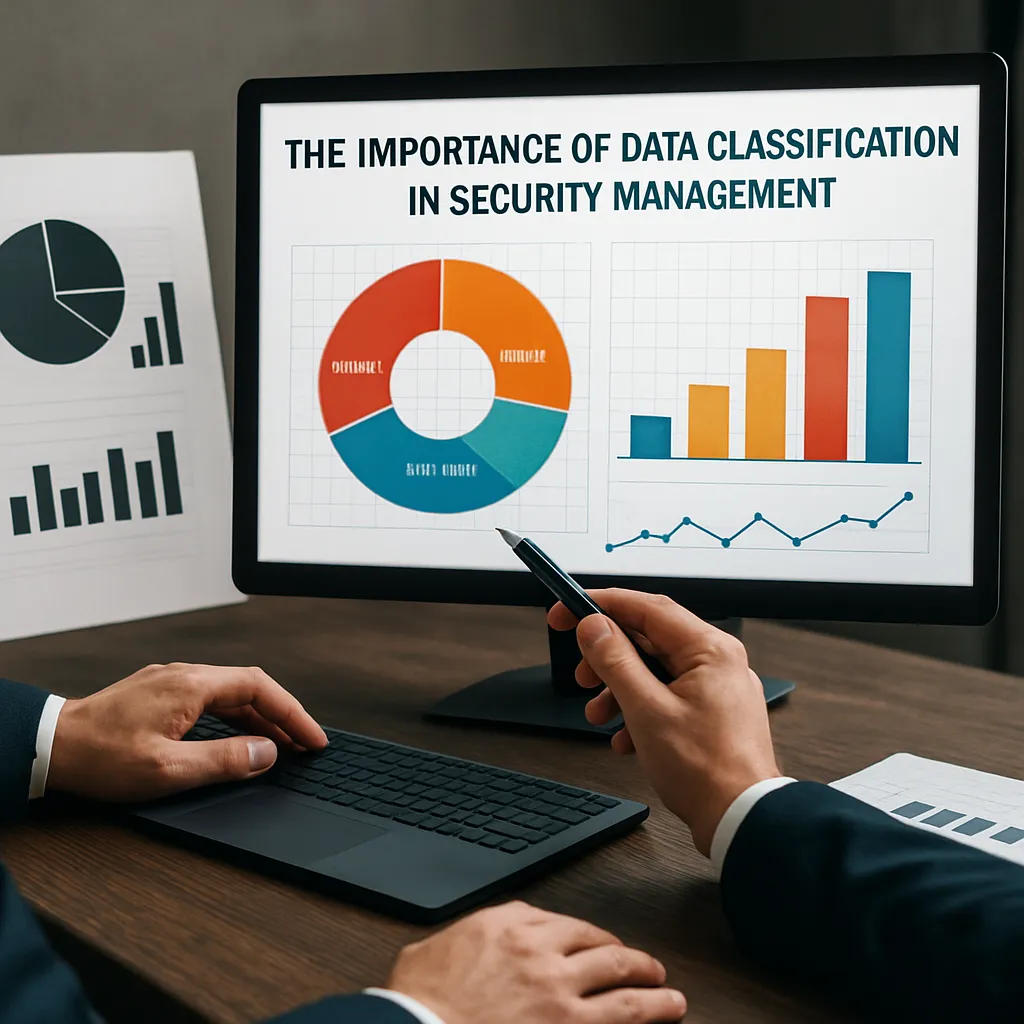
Effective management of organizational data hinges on a robust approach to classification. By systematically categorizing information assets according to their sensitivity, value, and regulatory requirements, businesses can apply targeted security controls, enforce appropriate access privileges, and maintain compliance with evolving legal landscapes. A well-defined data classification strategy serves as the foundation for comprehensive risk management and underpins a resilient defense against internal and external threats.
Data Classification Frameworks and Best Practices
Defining Data Categories
At the heart of any data classification initiative lies a clear taxonomy. Typical categories include Public, Internal Use Only, Confidential, and Restricted. Each tier reflects increasing levels of potential harm should data be compromised. Public information is openly accessible, while Restricted data demands the highest level of protection due to its strategic or legal sensitivity. Establishing these categories provides a shared language for stakeholders across IT, legal, and business units, ensuring that everyone understands the distinctions between different data types.
Assigning Ownership and Roles
For a classification framework to function seamlessly, specific responsibilities must be assigned. Appointing data owners—often department heads or process leads—ensures accountability for classification decisions. Data stewards, typically from information security or compliance teams, maintain the classification scheme, review exceptions, and coordinate periodic audits. By delineating governance roles, organizations reduce confusion and streamline the decision-making process regarding access, retention, and disposal policies.
Establishing Criteria and Standards
Well-defined criteria guide consistent classification across diverse datasets. Consider the following key factors:
- Asset Value: Assess the monetary or strategic worth of information to the organization.
- Regulatory Requirements: Identify industry-specific mandates such as GDPR, HIPAA, or SOX that dictate handling procedures.
- Confidentiality: Determine the potential business, legal, or reputational impact if data is disclosed without authorization.
- Integrity: Evaluate the risk of unauthorized modification and its consequences for operations or decision-making.
- Availability: Assess how critical uninterrupted access is to day-to-day functions and service commitments.
Implementing Data Classification in the Business Environment
Translating a classification model into practice requires a coordinated roadmap that spans policy, process, and technology. Successful implementations follow a multi-step journey:
- Assessment and Inventory: Conduct a thorough data discovery exercise, mapping structured and unstructured repositories, cloud platforms, and endpoints.
- Policy Development: Draft clear classification policies, specifying criteria, labeling conventions, and handling procedures for each category.
- Technology Enablement: Leverage automated solutions for metadata tagging, contextual analysis, and real-time classification at ingestion or creation points.
- Training and Awareness: Educate employees on the significance of classification labels, the correct application of tags, and the consequences of misclassification.
- Ongoing Monitoring and Review: Implement regular audits, usage analytics, and exception management workflows to ensure adherence and adjust policies as business needs evolve.
Automation often proves indispensable in large-scale environments. By integrating classification engines with document management systems, email gateways, and cloud storage, organizations can apply labels seamlessly based on content patterns, user identities, and contextual factors. This approach minimizes human error, accelerates enforcement of access controls, and strengthens overall data posture.
Benefits of Data Classification for Security Management
Embedding classification into security management yields numerous advantages. First, it enables more efficient allocation of security budgets. Rather than deploying uniform, expensive controls everywhere, teams can focus advanced defenses—like encryption at rest or in transit—on the most critical datasets. Second, classification fosters improved compliance with data protection regulations by documenting how sensitive information is managed throughout its lifecycle. This traceability simplifies audits and reduces the risk of fines or litigation.
- Enhanced Incident Response: When breaches occur, classification labels help incident teams quickly identify affected assets, estimate impact, and prioritize containment efforts.
- Reduced Insider Threat Exposure: By enforcing least-privilege access based on classification, organizations limit the likelihood of unauthorized data misuse by employees or partners.
- Streamlined Data Retention and Disposal: Classification informs retention schedules and secure disposal procedures, mitigating storage bloat and legal liabilities.
- Visibility into Data Flows: Clear labeling provides insights into how information travels across networks, applications, and third-party services, enabling targeted security zoning.
Challenges and Solutions in Data Classification
Common Obstacles
Despite its merits, data classification initiatives often face hurdles:
- Volume and Complexity: Modern enterprises generate massive volumes of unstructured data, making manual classification impractical.
- Resistance to Change: Employees may view new labeling responsibilities as burdensome, leading to inconsistent application or outright avoidance.
- Evolving Threat Landscape: As new attack vectors emerge, classification schemes must adapt to cover additional risk factors, such as API interactions or IoT data streams.
- Integration Gaps: Disparate systems and fragmented toolsets can hinder unified enforcement of classification policies.
Strategic Remedies
To overcome these challenges, organizations should consider the following strategies:
- Adopt Machine Learning–Driven Tools: Intelligent classification platforms analyze content semantics, context, and user behavior to assign accurate labels at scale.
- Phased Rollout: Begin with pilot programs in high-risk business units to demonstrate quick wins, refine workflows, and build organizational buy-in.
- Executive Sponsorship: Secure backing from C-level stakeholders to allocate resources, drive cultural change, and enforce accountability.
- Regular Policy Refreshes: Periodically review classification criteria and labels to incorporate new regulatory requirements, business processes, or technology trends.
- Tighten Integration: Leverage unified security platforms or APIs to synchronize classification metadata across DLP systems, SIEM tools, and cloud environments.
Data Classification and the Evolving Security Ecosystem
As businesses embrace digital transformation, data becomes both an enabler and a liability. Cloud migrations, remote workforces, and partnerships with third-party vendors expand the attack surface, demanding more agile and granular controls. A mature data classification strategy ensures that security teams can adapt swiftly. By tagging information at the point of creation, organizations maintain contextual awareness even as data moves between on-premises servers and multi-cloud infrastructures.
Moreover, emerging technologies such as blockchain and secure multi-party computation rely on precise knowledge of data sensitivity. Proper classification facilitates selective sharing, anonymization, or tokenization workflows, empowering collaborative innovation without exposing critical intellectual property or personally identifiable information. In this dynamic environment, classification labels act as metadata anchors that inform automated policy engines, ensuring that protective measures remain aligned with business objectives and threat intelligence.
Conclusion on Strengthening Security Through Classification
Robust data classification does more than improve security hygiene; it elevates an organization’s ability to operate confidently in a complex risk landscape. By weaving classification practices into governance, technology, and culture, businesses achieve stronger confidentiality, bolster data integrity, and maintain consistent privacy standards. In turn, security teams can shift from reactive firefighting to proactive risk mitigation, driving strategic value and resilience in an era defined by relentless cyber challenges.


