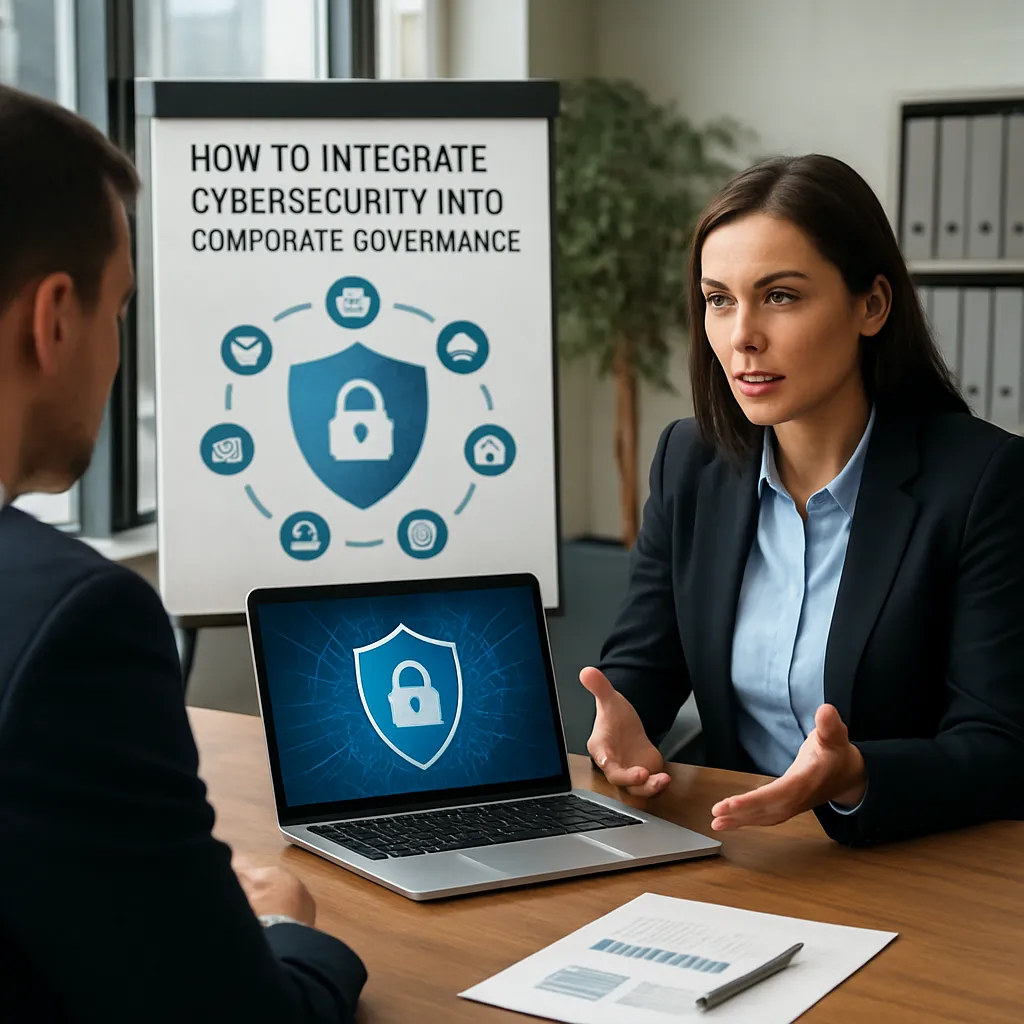
Effective integration of cybersecurity into corporate governance demands a holistic approach that aligns technical protections with organizational decision-making. As businesses navigate a landscape of evolving threats and regulatory requirements, establishing clear responsibilities and transparent processes is essential. This article outlines core considerations and actionable steps for embedding security considerations into the highest levels of corporate oversight, drawing on proven principles of risk management, compliance, and continuous improvement.
Aligning Security with Business Objectives
Defining Roles and Responsibilities
Boards of directors and executive teams must embrace cybersecurity as a strategic concern rather than a purely technical issue. By defining clear roles—ranging from a dedicated Chief Information Security Officer (CISO) to designated risk champions in each business unit—organizations establish the foundation for robust oversight. A formal security committee with representation from finance, legal, operations and IT ensures that security decisions reflect the priorities of all stakeholders.
Embedding Security into Governance Frameworks
Integrating cybersecurity into governance requires updating charters, terms of reference and meeting agendas. Periodic board reviews should include metrics on incident response times, vulnerability remediation rates and third-party security assessments. Key performance indicators must link to broader corporate strategy, such as revenue growth or market expansion, reinforcing that security both protects and enables business ambitions.
- Establish a security steering committee with executive sponsorship
- Define clear reporting lines between IT, risk and the board
- Include cybersecurity metrics in executive dashboards
Risk Appetite and Decision-Making
Board members need visibility into the company’s risk appetite and how it translates into day-to-day operations. Clear definitions of acceptable risk levels for data loss, service disruptions and regulatory violations guide investment decisions and resource allocations. When leadership understands the consequences of a breach—financial, legal and reputational—they can balance security spending against potential impacts more effectively.
Implementing Risk Management and Compliance
Adopting a Structured Risk Framework
A well-defined framework for risk assessment integrates cybersecurity into the enterprise risk management function. Organizations may leverage standards such as ISO 27001, NIST Cybersecurity Framework or COBIT to map assets, threats and controls. A continuous risk assessment cycle—identify, analyze, evaluate and treat—ensures that emerging vulnerabilities and threat intelligence drive timely updates to security controls.
Regulatory and Industry Compliance
Regulations such as GDPR, HIPAA, PCI DSS and sector-specific mandates require companies to incorporate security into governance policies. Internal audits, gap analyses and third-party attestations demonstrate due diligence. Embedding compliance into governance processes also streamlines reporting to regulators, investors and customers, turning audits from box-checking exercises into opportunities for process improvement.
- Map regulatory requirements to existing security controls
- Conduct regular internal and external audits
- Implement automated monitoring to flag non-compliance
Third-Party and Supply Chain Risk
Supply chain security is a critical extension of corporate governance. Vendor assessments should be risk-based, prioritizing suppliers with access to sensitive systems or data. Contractual clauses and service-level agreements must specify security obligations, incident notification timelines and audit rights. By integrating third-party risk into the overall governance structure, organizations minimize hidden vulnerabilities that could bypass internal defenses.
Fostering a Security-Conscious Culture
Awareness and Training Programs
People remain the most unpredictable element of any security environment. Tailored training sessions for executives, IT staff and front-line employees cultivate a shared sense of responsibility. Phishing simulations, interactive workshops and role-based learning paths reinforce critical behaviors, such as strong password hygiene and secure handling of confidential data.
Incentives and Accountability
Embedding security into performance reviews and incentive structures elevates its importance across the organization. Leaders should recognize contributions to security improvements, whether through successful incident response drills or proactive risk mitigation initiatives. Clear accountability matrices—linking actions to outcomes—ensure that employees understand their individual roles in safeguarding corporate assets.
- Develop role-specific security curricula
- Incorporate security metrics into performance goals
- Publicize success stories to reinforce positive behavior
Cross-Functional Collaboration
Security goals cannot be siloed within the IT department. Collaborative forums—such as regular risk review meetings involving finance, legal, operations and HR—enable integrated decision-making. When all functions contribute to threat modeling, incident response planning and policy design, organizations achieve greater resilience and faster recovery from disruptions.
Leveraging Technology and Continuous Improvement
Investing in Advanced Tools
Automated security solutions—such as Security Information and Event Management (SIEM), extended detection and response (XDR), and zero-trust network architectures—provide real-time visibility into threats and anomalies. Integrating these tools with governance processes ensures that data from monitoring platforms informs board-level reporting and strategic planning.
Incident Response and Business Continuity
A robust incident response plan defines clear escalation paths, communication protocols and recovery objectives. Regular tabletop exercises and live simulations test the organization’s readiness and reveal gaps in coordination or technical controls. Aligning response plans with overall business continuity strategies guarantees that critical functions remain operational under adverse conditions.
- Maintain an up-to-date incident response playbook
- Conduct regular drills involving executive leadership
- Review lessons learned and update governance policies accordingly
Metrics, Reporting and Feedback Loops
Measuring the effectiveness of cybersecurity investments requires meaningful metrics—mean time to detect (MTTD), mean time to respond (MTTR), policy violation rates and audit findings. Dashboards tailored for executive review translate technical indicators into business risk metrics. Establishing feedback loops between operations, risk management and the board enables continuous refinement of security policies and governance structures.
Effective integration of cybersecurity within corporate governance transforms security from an afterthought into a driver of value. By aligning security objectives with strategic goals, embedding risk management into decision-making, fostering a security-conscious culture and leveraging advanced technologies, organizations establish a resilient foundation capable of withstanding evolving threats and regulatory demands.