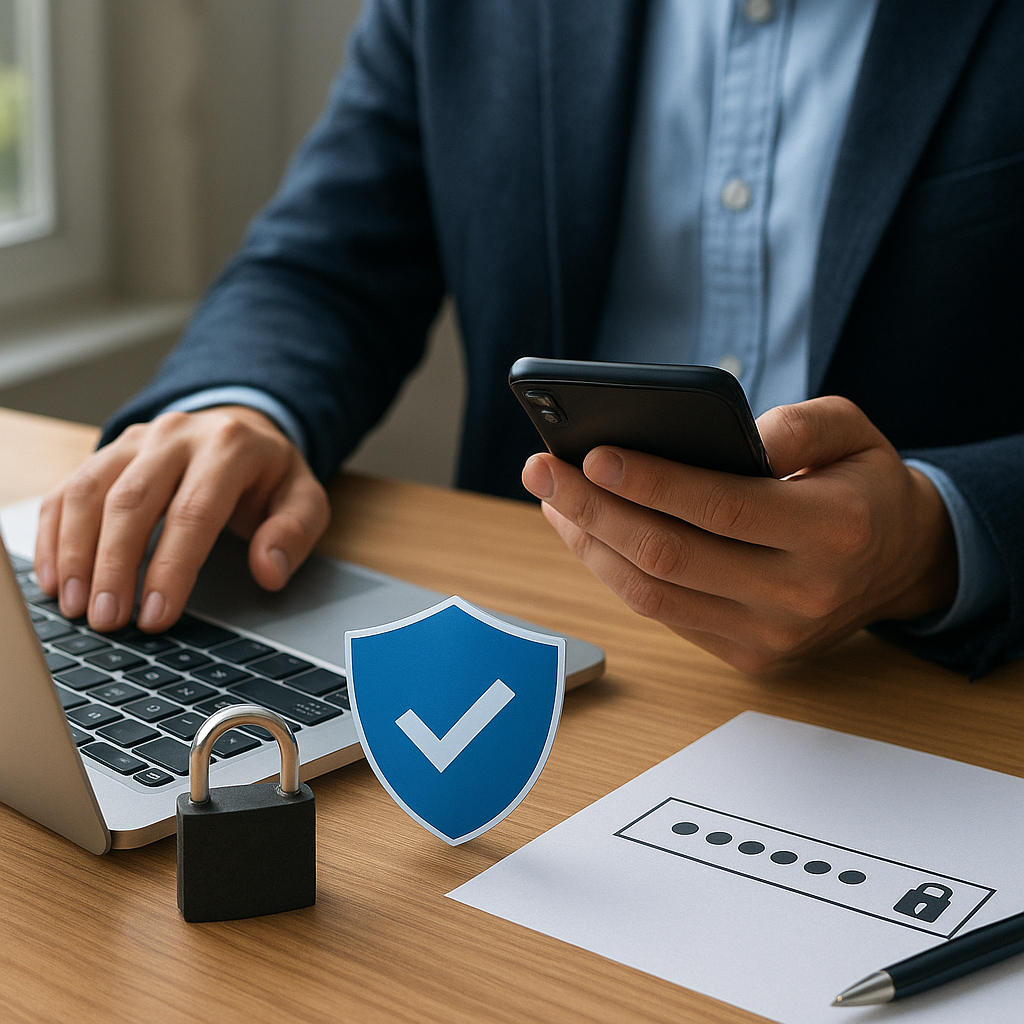
Effective password management is a cornerstone of a strong corporate security posture. Protecting sensitive data and preventing unauthorized access requires more than simple directives—it demands a well-structured approach encompassing policy, technology and human factors. By understanding threats, establishing clear guidelines and leveraging advanced tools, organizations can significantly reduce the risk of credential compromise and data breaches.
Understanding the Risks of Poor Password Management
Weak or poorly managed passwords are often the entry point for cybercriminals seeking to exploit corporate networks. Attackers employ a variety of techniques to obtain credentials, ranging from brute force attacks to sophisticated social engineering. Recognizing these threats is the first step toward building a resilient defense strategy.
- Brute Force Attacks: Automated tools systematically guess login combinations, exploiting weak or commonly used passwords.
- Phishing Campaigns: Deceptive emails and fraudulent websites trick employees into revealing credentials.
- Password Reuse: Using the same password across multiple platforms increases the impact of a single compromised account.
- Insider Threats: Malicious or negligent employees can misuse credentials to access confidential data.
- Credential Theft Tools: Malware such as keyloggers and credential stealers capture passwords directly from endpoints.
Failing to address these vulnerabilities can lead to unauthorized access to corporate resources, exposing sensitive data, damaging brand reputation and incurring regulatory penalties for non-compliance.
Implementing Robust Password Policies
Creating and enforcing a comprehensive password policy is vital for maintaining corporate security. A strong policy outlines the rules for password creation, management and rotation, ensuring consistency and minimizing human error.
Password Complexity and Length Requirements
- Mandate a minimum length of at least 12 characters, including letters, numbers and special symbols.
- Prohibit common dictionary words and predictable patterns, such as “Summer2025.”
- Implement real-time checks against lists of known breached credentials to prevent recycling of compromised passwords.
Regular Password Rotation and Expiry
- Establish a rotation schedule (e.g., every 60–90 days) for critical systems, balancing security needs with user convenience.
- Avoid overly frequent changes that can lead to predictable variations (e.g., Password1, Password2).
- Leverage adaptive policies to extend rotation cycles for accounts protected by multifactor authentication.
Enforcement Mechanisms
- Use directory services and identity platforms to automatically enforce complexity, length and expiry rules.
- Deploy account lockout thresholds after multiple failed login attempts to deter brute force attacks.
- Incorporate self-service password reset portals secured by secondary verification methods, reducing helpdesk workload and ensuring secure resets.
Leveraging Technology Solutions
Modern security solutions can automate and streamline password management, reducing human error and improving overall protection. Integrating these tools into your infrastructure creates an additional layer of defense.
Password Managers and Vaults
- Encourage the use of enterprise-grade password manager applications to securely store and auto-fill complex credentials.
- Implement centralized vaults for storing shared or privileged passwords, ensuring controlled access and robust auditing.
- Enable encryption of vault data both at rest and in transit to guard against unauthorized decryption attempts.
Single Sign-On (SSO) and Identity Federation
- Reduce password fatigue by consolidating multiple credentials into a single, authentication flow managed by an identity provider.
- Leverage SAML or OAuth protocols to extend secure access to cloud applications without exposing raw credentials.
- Implement conditional access policies based on device posture, user roles and risk scores.
Privileged Access Management (PAM)
- Control and monitor elevated accounts through just-in-time access provisioning, minimizing standing privileges.
- Record and audit all privileged sessions to detect suspicious activities and maintain an audit trail for compliance.
- Integrate credential brokering to remove direct password exposures between administrators and critical systems.
Training Employees and Enforcing Best Practices
Technology alone is insufficient without proper user education and adherence to policies. Employees are the first line of defense, and ongoing training ensures they remain vigilant and informed.
Security Awareness Programs
- Conduct regular workshops covering topics like phishing identification, social engineering and secure password habits.
- Simulate phishing exercises to measure susceptibility and reinforce training with targeted follow-ups.
- Publish best practice guidelines and quick reference cards highlighting do’s and don’ts for password creation.
Accountability and Governance
- Assign clear ownership for password policy enforcement, such as a security operations team or CISO office.
- Implement periodic audits to verify compliance, identify weak spots and remediate policy violations.
- Use metrics like number of locked accounts, reset requests and breach attempts to track effectiveness.
Encouraging a Security-First Culture
- Reward employees who demonstrate consistent adherence to security policies and report suspicious activities.
- Foster open communication channels for reporting potential threats without fear of reprisal.
- Highlight the impact of strong password hygiene on protecting customer data and preserving corporate reputation.
Maintaining Continuous Improvement
Password management is not a one-time project, but an ongoing process that must evolve to counter emerging threats and technological changes. By regularly reviewing policies, updating tools and reinforcing training, organizations can stay ahead of attackers seeking to exploit credential weaknesses.
Adopting a proactive stance on password security fosters resilience, ensures regulatory alignment and better protects critical assets against unauthorized access. With a combination of robust policies, advanced technologies and a security-minded workforce, companies can build a comprehensive defense that minimizes the risk of credential compromise and data breaches.