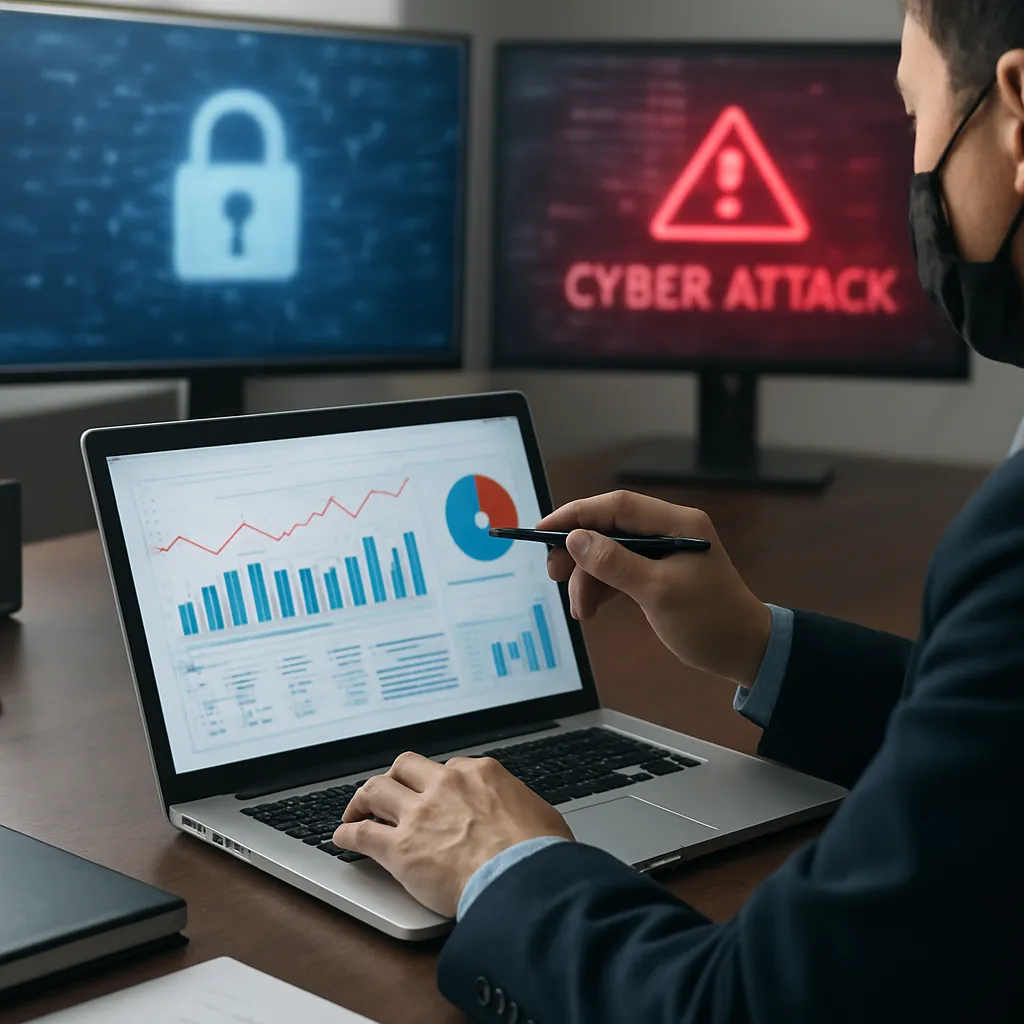
Organizations often face significant challenges when a cyber incident disrupts critical operations. Reducing downtime is essential to preserve customer trust, maintain revenue streams, and protect brand reputation. This article explores strategic approaches to streamline recovery, strengthen defenses, and foster a culture of rapid response and continuous improvement. By focusing on proactive planning, efficient technical procedures, and clear communication protocols, businesses can minimize operational interruptions and emerge more resilient.
Assessing Incident Impact and Establishing Priorities
Effective recovery begins with a thorough understanding of the incident’s scope and its effects on business functions. Rapidly gauging the extent of damage and aligning resources to the most critical areas ensures that limited staff and technology efforts are directed where they yield the greatest benefit.
Incident Triage and Impact Analysis
- Activate your incident response team and assign clear roles for assessing system logs, user reports, and network traffic anomalies.
- Conduct a risk-based evaluation to quantify potential financial losses, regulatory exposures, and reputational harm.
- Use dashboards and analytics tools to identify top-priority assets—including customer databases, payment systems, and proprietary applications.
Defining Recovery Time Objectives (RTO) and Recovery Point Objectives (RPO)
- Establish resilience benchmarks by setting RTOs that specify acceptable time windows for restoring each critical function.
- Determine RPOs to define the maximum allowable data loss in case of infrastructure failure, guiding backup frequency and replication strategies.
- Align these objectives with business stakeholders to balance cost, complexity, and operational needs.
Streamlining Technical Recovery Procedures
Automated and well-documented technical processes dramatically accelerate restoration efforts. Standardized playbooks, preconfigured environments, and redundant architectures form the backbone of efficient recovery.
Robust Backup and Restore Mechanisms
- Implement backups that are automated, encrypted, and stored offsite or in immutable cloud repositories.
- Test restoration periodically through scheduled drills, verifying data integrity and process reliability.
- Adopt tiered backup approaches, ensuring rapid recovery for high-value data and cost-effective retention for less critical information.
System Isolation and Containment Strategies
- Use network segmentation and micro-segmentation to isolate infected hosts, preventing lateral movement of malware or threat actors.
- Leverage endpoint detection and response (EDR) tools to swiftly identify malicious processes and quarantine affected assets.
- Employ automated scripts or playbooks to cut off compromised services without manual intervention, reducing human error.
Configuration Management and Infrastructure as Code
- Maintain version-controlled configurations for servers, network devices, and applications.
- Use automation frameworks (e.g., Ansible, Terraform) to rebuild environments in a matter of minutes.
- Document dependency mappings so that restoring front-end services triggers simultaneous provisioning of related back-end components.
Enhancing Organizational Preparedness and Communication
A coordinated corporate response limits confusion, strengthens stakeholder confidence, and ensures that every team member knows their responsibilities during the crisis.
Clear Roles, Responsibilities, and Escalation Paths
- Define a RACI matrix identifying who is Responsible, Accountable, Consulted, and Informed for each recovery task.
- Establish escalation thresholds based on incident severity levels to expedite executive involvement when necessary.
- Train cross-functional teams periodically so that security, IT, legal, and public relations units collaborate seamlessly.
Internal and External Communication Plans
- Develop pre-approved message templates to inform employees, clients, and regulators with accurate, timely updates.
- Incorporate secure channels—such as encrypted messaging apps and dedicated hotlines—to prevent interception of sensitive information.
- Foster a culture of transparency: acknowledging disruptions candidly can mitigate reputational damage and reassure stakeholders.
Maintaining Documentation and Knowledge Repositories
- Centralize incident logs, postmortem reports, and recovery checklists in a searchable knowledge base.
- Use version control to track changes to response playbooks, ensuring the latest procedures are always accessible.
- Encourage lessons-learned sessions after each drill and real incident, capturing insights to refine future actions.
Implementing Continuous Improvement and Monitoring
Recovery is not a one-time effort but an ongoing cycle of testing, analyzing, and optimizing. Continuous refinement of processes and tools helps organizations stay ahead of emerging threats.
Regular Drills and Simulations
- Conduct tabletop exercises and full-scale mock incidents to validate the effectiveness of your recovery plan.
- Involve third-party specialists to introduce novel attack scenarios, pushing teams to adapt in real time.
- Measure drill outcomes against RTO and RPO metrics, adjusting strategies based on performance gaps.
Real-Time Monitoring and Threat Intelligence
- Deploy security information and event management (SIEM) solutions for comprehensive visibility into network activities.
- Integrate external threat feeds to anticipate new vulnerabilities and emerging attack patterns.
- Set up automated alerts for anomalies—such as unexpected data exfiltration or unusual login attempts—to trigger rapid investigation.
Fostering Collaboration Across Teams and with External Partners
- Partner with managed security services providers (MSSPs) and incident response firms for specialized expertise during complex breaches.
- Participate in industry information-sharing groups to benchmark preparedness and stay informed about sector-specific threats.
- Encourage cross-departmental feedback loops to drive innovation in defense measures and recovery tactics.
Embedding a Proactive Security Culture
Organizations that treat cyber resilience as an integral business function can significantly reduce recovery times. By prioritizing continuous education, risk-based decision-making, and executive sponsorship, companies build an environment where rapid recovery is second nature rather than a scramble after disruption.
Through strategic planning, rigorous technical safeguards, transparent communication, and perpetual refinement, businesses can drastically cut the length and impact of operational outages. Embracing these principles equips teams to withstand cyber adversities and maintain momentum, turning potential crises into opportunities for improvement and growth.