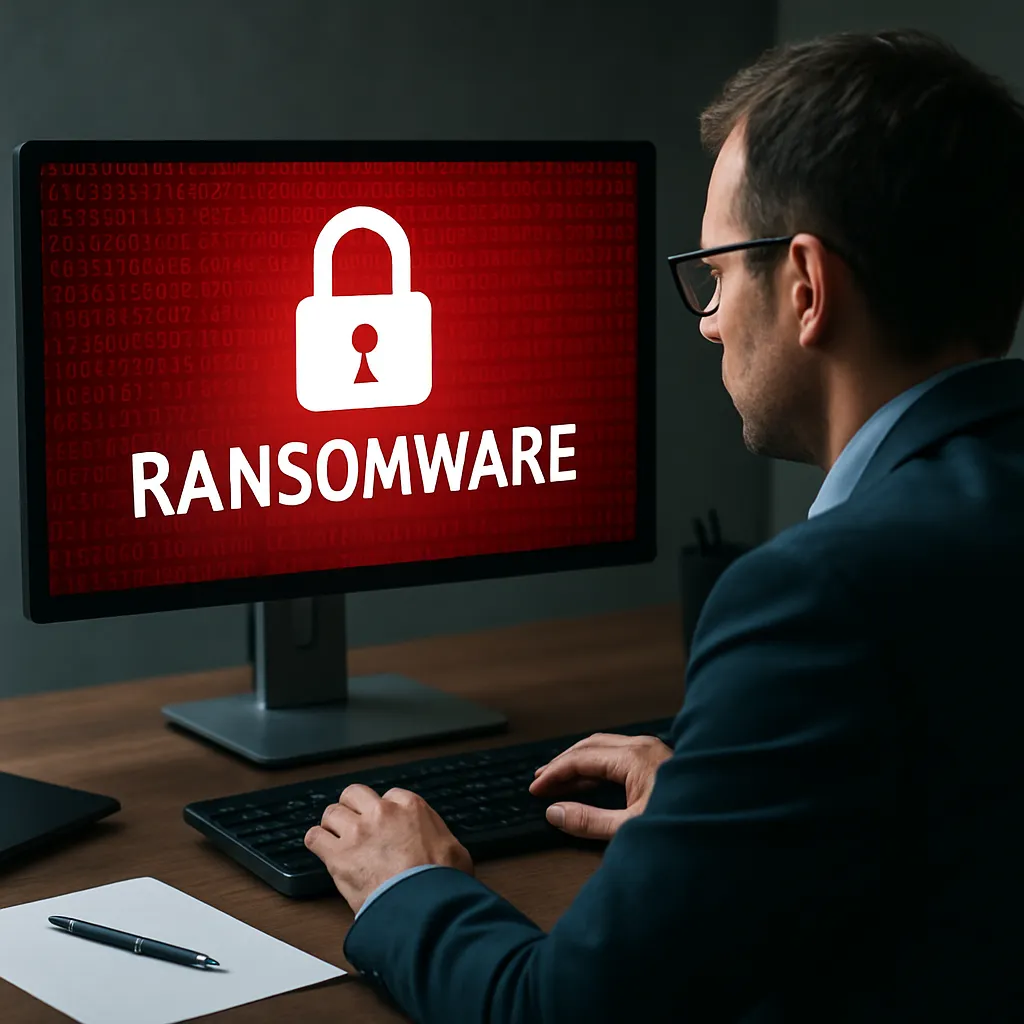
Every organization faces the looming danger of a ransomware intrusion at some point. A single compromised endpoint or overlooked security gap can trigger a chain reaction, locking vital files and threatening operational continuity. Crafting a robust response requires a blend of strategic planning, decisive action and transparent communication. Below are critical stages and best practices to handle a ransomware incident with precision and minimal business disruption.
Identifying and Containing the Threat
Rapid detection is the cornerstone of effective containment. As soon as unusual encryption processes or suspicious network traffic appear, the incident response team must move without delay. Automated solutions like endpoint detection and response (EDR) tools, combined with continuous monitoring, can flag anomalies in real time. Once an alert is raised, follow these steps:
- Isolate infected machines. Physically or logically disconnect affected systems from the corporate network to prevent lateral movement of the ransomware payload.
- Disable shared drives. Prevent unauthorized encryption by suspending access to any file shares and cloud storage connected to compromised hosts.
- Preserve volatile data. Capture memory dumps, collect logs, and secure forensic images to understand the threat actor’s tactics and the scope of the breach.
- Engage specialized teams. Mobilize your internal incident response unit, IT operations and any trusted external digital forensics experts to validate the initial findings.
Swift containment not only halts further damage but also sets the stage for a detailed forensic analysis. By quarantining infected assets and gathering critical data early, organizations position themselves to develop a precise remediation plan.
Coordinated Response and Communication
An orchestrated response requires clear roles, defined processes and seamless coordination among stakeholders. A well-rehearsed crisis management plan ensures that decision-makers do not hesitate under pressure.
- Activate the crisis management team. This cross-functional group should include representatives from IT security, legal, public relations, compliance and executive leadership.
- Establish a secure communication channel. Use encrypted messaging or offline protocols to prevent adversaries from intercepting sensitive discussions.
- Notify relevant parties. Inform regulators, insurance providers and affected customers in accordance with contractual agreements and industry regulations such as GDPR or HIPAA.
- Document every step. Maintain an accurate timeline of actions taken, decisions made and communications sent. This record is invaluable during post-incident reviews and any legal proceedings.
Effective communication helps maintain stakeholder trust. By providing timely updates to employees and clients—without disclosing technical details—you demonstrate accountability and reduce speculation.
Data Recovery, Remediation and Resilience Building
With containment and communication underway, the next priority is restoring operations. A comprehensive backup and recovery strategy can dramatically reduce downtime and data loss.
- Evaluate backup integrity. Ensure that stored backups are clean, unencrypted and fully accessible. Isolate backups from the production environment to prevent contamination.
- Prioritize critical assets. Develop a recovery roadmap that identifies mission-critical systems—such as ERP, email servers and customer databases—to bring them online first.
- Apply clean images. Wipe infected endpoints and reinstall operating systems from trusted sources. Reintroduce data only after thorough malware scanning has confirmed zero threats.
- Patch vulnerabilities. Address exploited security gaps, update legacy software and enforce the latest system patches to prevent recurrence.
Recovery is not merely about data restoration; it’s an opportunity to strengthen overall security posture. Implement network segmentation, multi-factor authentication and least-privilege access controls. These measures enhance business continuity and make future attacks more difficult.
Post-Incident Analysis and Continuous Improvement
After systems are restored, conducting a thorough review is crucial for extracting lessons and bolstering defenses. A structured post-mortem uncovers root causes and leads to a more resilient environment.
- Perform a root cause analysis. Work with your forensic team to trace the intrusion vector—be it a phishing email, compromised remote desktop or vulnerable web application.
- Assess security controls. Compare existing policies and tools against the evolving threat landscape. Identify gaps in threat intelligence feeds, endpoint protection and user training programs.
- Update the incident response plan. Incorporate real-world insights gained during the attack into revised playbooks, checklists and escalation procedures.
- Conduct scenario-based exercises. Regularly simulate ransomware events with red team-blue team drills to validate detection capabilities, team coordination and decision-making under pressure.
By institutionalizing the insights from every incident, organizations transform adversity into an engine for innovation. Continuous improvement cycles ensure that security investments align with emerging risks and that teams remain prepared for future challenges.