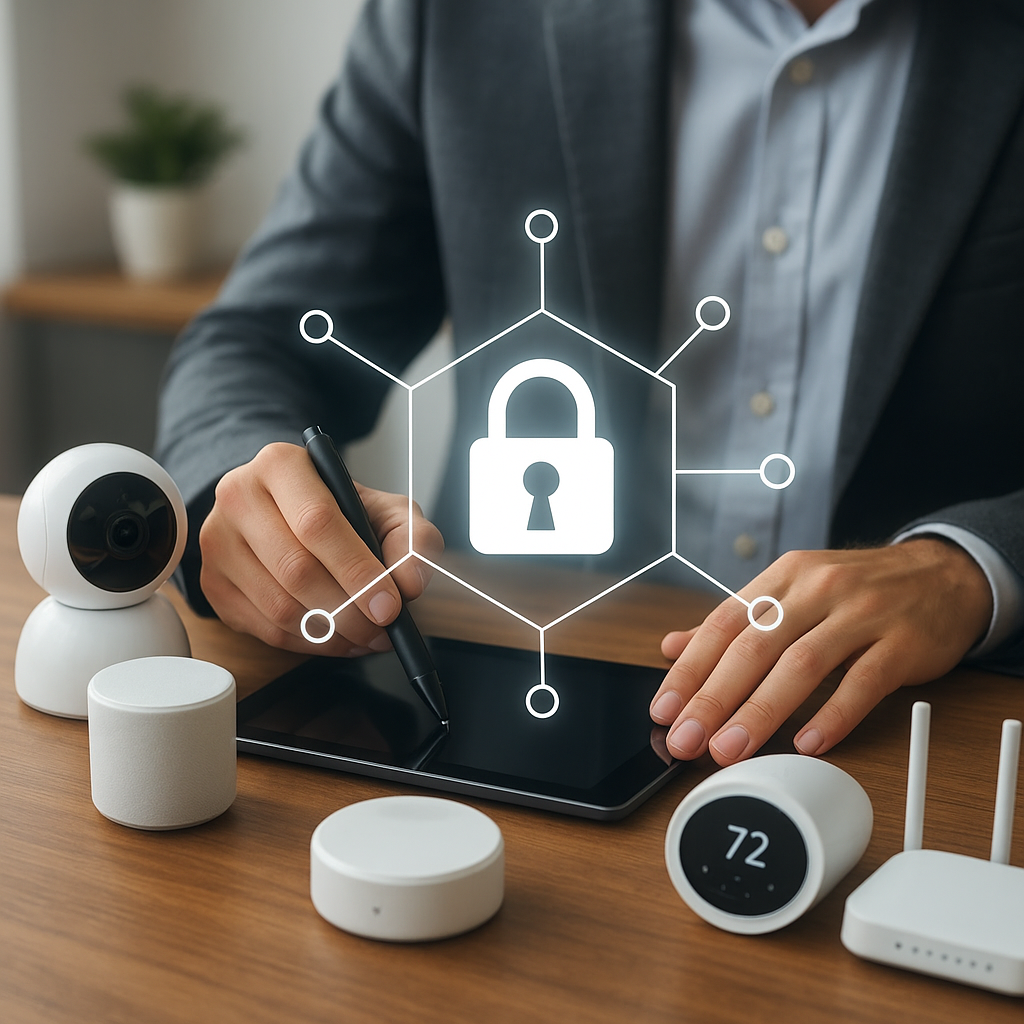
Managing the influx of connected devices in a corporate environment demands a strategic approach that goes beyond standard IT protocols. Securing each endpoint ensures the entire infrastructure remains resilient, protecting sensitive data and maintaining operational integrity. This article explores practical methods to fortify your organization’s Internet of Things framework.
Understanding IoT Security Challenges
Device Diversity and Scale
The sheer range of IoT products—sensors, cameras, smart thermostats—introduces complexity. Many devices ship with minimal built-in security, becoming prime targets for exploitation. A comprehensive risk assessment must account for every hardware model, firmware version and communication protocol in use. Otherwise, shadow assets can undermine even the most robust perimeter defenses.
Weak Authentication Mechanisms
Out-of-the-box credentials or unsecured APIs frequently facilitate unauthorized access. Attackers exploit these weaknesses to pivot deeper into corporate networks. Enforcing strong, multi-factor authentication for device management consoles is non-negotiable. Use automated tools that regularly audit and rotate credentials to minimize exposure.
Implementing Core Security Measures
An effective IoT defense strategy is multilayered. Each layer—from the device itself to the network and cloud backends—must be secured.
- Secure Boot: Ensure devices only run authenticated code by enabling cryptographic signatures at startup.
- Encryption in Transit and at Rest: Protect data flows and stored information with robust algorithms such as AES-256 or TLS 1.3.
- Firmware Updates: Automate patching to address known vulnerabilities without manual intervention.
- Network Segmentation: Isolate IoT zones from core business systems to contain potential breaches.
- Role-Based Access Control: Grant the principle of least privilege, ensuring users and services access only the resources they require.
Implementing a Zero Trust Model
Zero Trust assumes no device or user is inherently trustworthy. Continuous validation and real-time analytics enforce dynamic policies. Key components include:
- Micro-segmentation of network traffic
- Device identity verification
- User behavior analytics
Employing Zero Trust reduces lateral movement and limits the blast radius of any compromise.
Advanced Strategies and Best Practices
Vulnerability Management
Regular scanning and penetration testing reveal weaknesses before adversaries can exploit them. A mature program includes:
- Automated vulnerability scanners tailored for IoT firmware
- Third-party security audits
- An internal bug bounty to reward employees and researchers
Document each finding and track remediation through a centralized ticketing system.
Continuous Monitoring and Incident Response
Real-time monitoring of network traffic, device health metrics and authentication events allows early detection of anomalies. Integrate IoT telemetry into your Security Information and Event Management (SIEM) platform. Establish clear playbooks for incident response that cover:
- Notification procedures
- Containment and eradication steps
- Forensic analysis guidelines
Maintaining a Proactive Security Posture
Securing IoT devices is not a one-off project. It requires ongoing governance and continuous improvement.
Regulatory Compliance and Standards
Adherence to industry-specific regulations—such as GDPR, HIPAA or IEC 62443—demonstrates due diligence. Maintaining compliance reduces legal risk and instills customer confidence. Regular reviews ensure policies evolve alongside emerging threats.
Employee Training and Awareness
Human error remains a leading cause of breaches. Provide targeted training on secure device usage, phishing avoidance and incident reporting. Reinforce best practices through simulated exercises and periodic refreshers.
Vendor and Supply Chain Security
Evaluate third-party providers based on their security posture. Incorporate contractual clauses that mandate:
- Secure development lifecycle adherence
- Timely vulnerability disclosures
- Ongoing security support for deployed devices
Supply chain risks can undermine all other efforts if untrusted components enter your network.
Measuring and Improving Security Metrics
Quantify performance using Key Performance Indicators (KPIs) such as mean time to detect (MTTD), mean time to respond (MTTR) and percentage of devices fully patched. A data-driven approach allows leadership to allocate resources where they have the greatest impact on overall resilience.
Building a Culture of Security
Embed security into the organizational DNA by integrating these principles into every project launch. Encourage cross-functional collaboration between IT, operations and risk teams. Celebrate successes and transparently address lessons learned from incidents, fostering an environment of continuous learning.
By embracing a holistic strategy—from device lifecycle management to advanced analytics—businesses can confidently scale their IoT deployments. Proactive security measures protect critical assets, uphold regulatory requirements and ensure uninterrupted operations as connected technologies evolve.