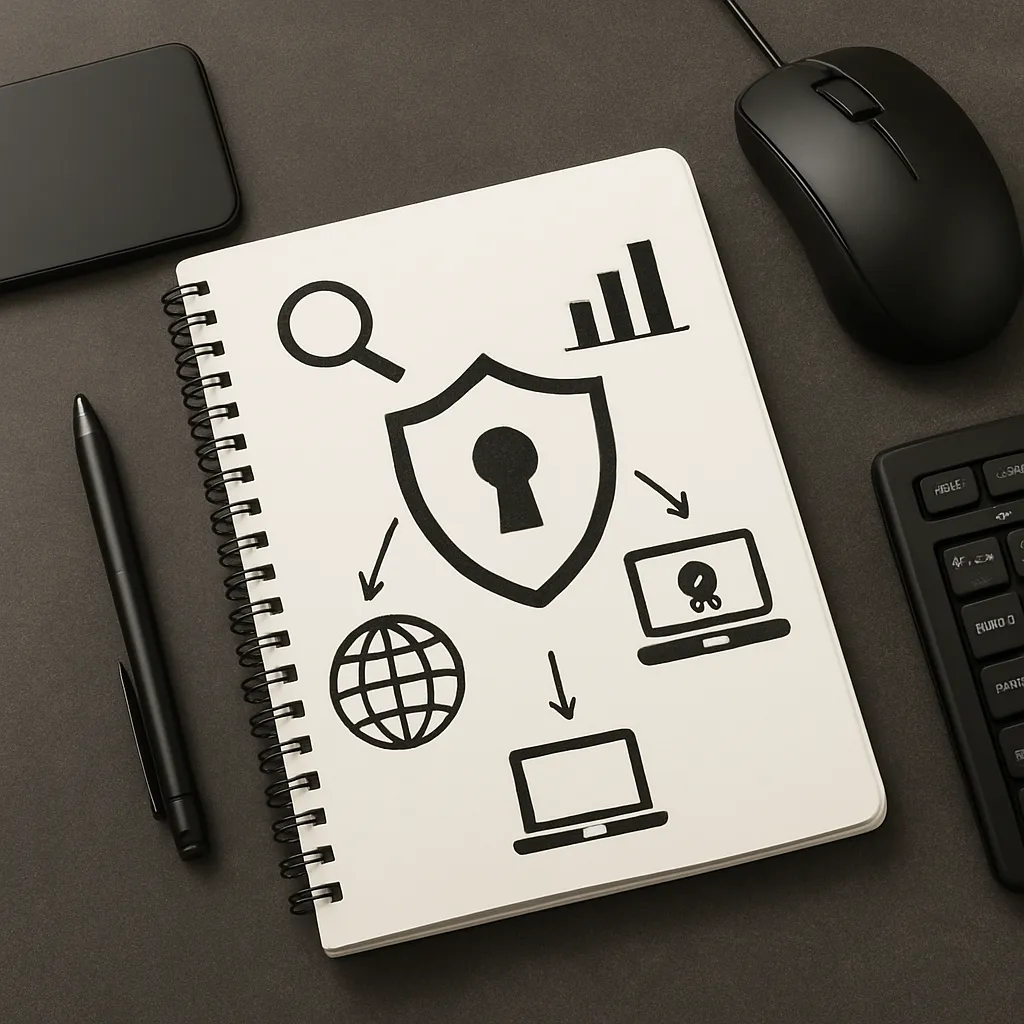
The shift toward hybrid work models has transformed the way organizations operate, blending in-office collaboration with remote productivity. This evolution brings a host of new security challenges that demand a strategic approach to protect corporate assets, customer data, and employee privacy. As companies navigate this complex landscape, they must address technical, human, and policy-driven aspects to build a truly resilient security posture.
Secure Perimeter Redefined
Rethinking Network Boundaries
Traditional network perimeters no longer apply when employees connect from homes, co-working spaces, or public hotspots. The concept of a secure boundary has become elastic, requiring solutions that adapt to users and devices rather than fixed physical locations.
- Zero Trust Architecture: Implementing “never trust, always verify” principles ensures that every user and device is authenticated and authorized before granting access.
- Microsegmentation: Dividing networks into smaller zones limits lateral movement of attackers, reducing the blast radius in case of a breach.
- Secure Access Service Edge (SASE): Converging network and security functions in the cloud offers consistent policy enforcement, regardless of where users connect.
Enhanced Visibility & Monitoring
In a hybrid environment, monitoring must extend beyond data centers to cover remote endpoints and cloud services. Organizations should invest in:
- Endpoint Detection and Response (EDR) tools that collect telemetry from devices wherever they operate.
- Cloud Security Posture Management (CSPM) to continuously scan cloud configurations for misconfigurations and compliance gaps.
- Security Information and Event Management (SIEM) systems that ingest logs from both on-premises and remote sources for centralized analysis.
Strengthening Access Controls and Authentication
Multi-Factor Authentication & Beyond
Weak or reused credentials remain a top attack vector. Hybrid work demands robust authentication mechanisms:
- Multi-Factor Authentication (MFA): Combining something you know (password), something you have (token), and something you are (biometrics) greatly reduces risk.
- Adaptive Authentication: Adjusting authentication requirements based on contextual factors such as device health, geolocation, and user behavior.
- Passwordless Methods: Leveraging FIDO2 standards and certificate-based authentication to eliminate password-related risks.
Privileged Access Management
Attackers often seek elevated privileges to compromise critical systems. Effective controls include:
- Just-In-Time (JIT) Privilege Elevation: Granting privileged access only for the time required to complete a task, then automatically revoking it.
- Privileged Session Monitoring: Recording administrative sessions to deter misuse and enable forensic analysis.
- Role-Based Access Control (RBAC): Assigning permissions based on job roles, ensuring employees access only the resources they need.
Securing Endpoints in Diverse Environments
Unified Endpoint Management
With a mix of laptops, smartphones, and IoT devices, maintaining secure configurations and patch levels is critical. Key strategies include:
- Device Enrollment Programs: Automating the onboarding of corporate devices into management platforms.
- Automated Patch Management: Ensuring operating systems and applications receive timely security updates.
- Mobile Threat Defense: Detecting malicious apps and network-based attacks on mobile endpoints.
Encryption and Data Protection
Data at rest and in transit must remain confidential, especially when traveling over untrusted networks:
- Full Disk Encryption: Protecting data on laptops and removable media, mitigating risks from lost or stolen devices.
- TLS/SSL Tunneling and VPN Alternatives: While VPNs remain common, modern solutions like SASE and SD-WAN can offer more granular control and performance.
- Data Loss Prevention (DLP): Monitoring and controlling data flows to prevent unauthorized exfiltration.
Addressing the Human Element and Policy Governance
Security Awareness and Training
Human error continues to fuel incidents such as phishing and social engineering attacks. Organizations should:
- Regular Phishing Simulations: Testing employee vigilance and reinforcing recognition of suspicious emails.
- Interactive Training Modules: Covering topics like safe remote working practices and privacy regulations.
- Gamification Techniques: Engaging staff with challenges and quizzes to reinforce cyber hygiene habits.
Policy Development and Compliance
Clear, up-to-date policies provide a foundation for consistent behavior and accountability:
- Work-from-Anywhere Policies: Defining security requirements for various location types (home, café, client site).
- Acceptable Use Guidelines: Outlining permissible software, networks, and device configurations.
- Regulatory Compliance Mapping: Aligning policies with frameworks such as GDPR, HIPAA, and ISO/IEC 27001 to ensure legal adherence.
Mitigating Advanced Threats and Incident Response
Threat Intelligence Integration
Staying ahead of emerging risks requires feeding threat data into security tools:
- Open-Source and Commercial Feeds: Aggregating indicators of compromise (IOCs) related to ransomware, phishing campaigns, and zero-day exploits.
- Threat Hunting Teams: Proactively looking for hidden intrusions by analyzing unusual patterns across remote endpoints and networks.
- Automated Playbooks: Integrating Security Orchestration, Automation, and Response (SOAR) to speed up containment and remediation.
Incident Response in Hybrid Setups
A well-practiced plan ensures swift action when breaches occur, regardless of user location:
- Distributed Incident Response Teams: Equipping team members in various regions with clear roles and secure communication channels.
- Remote Forensics Capabilities: Collecting and preserving evidence from off-site devices without disrupting operations.
- Post-Incident Reviews: Conducting root cause analysis to refine defenses and update policies in light of lessons learned.