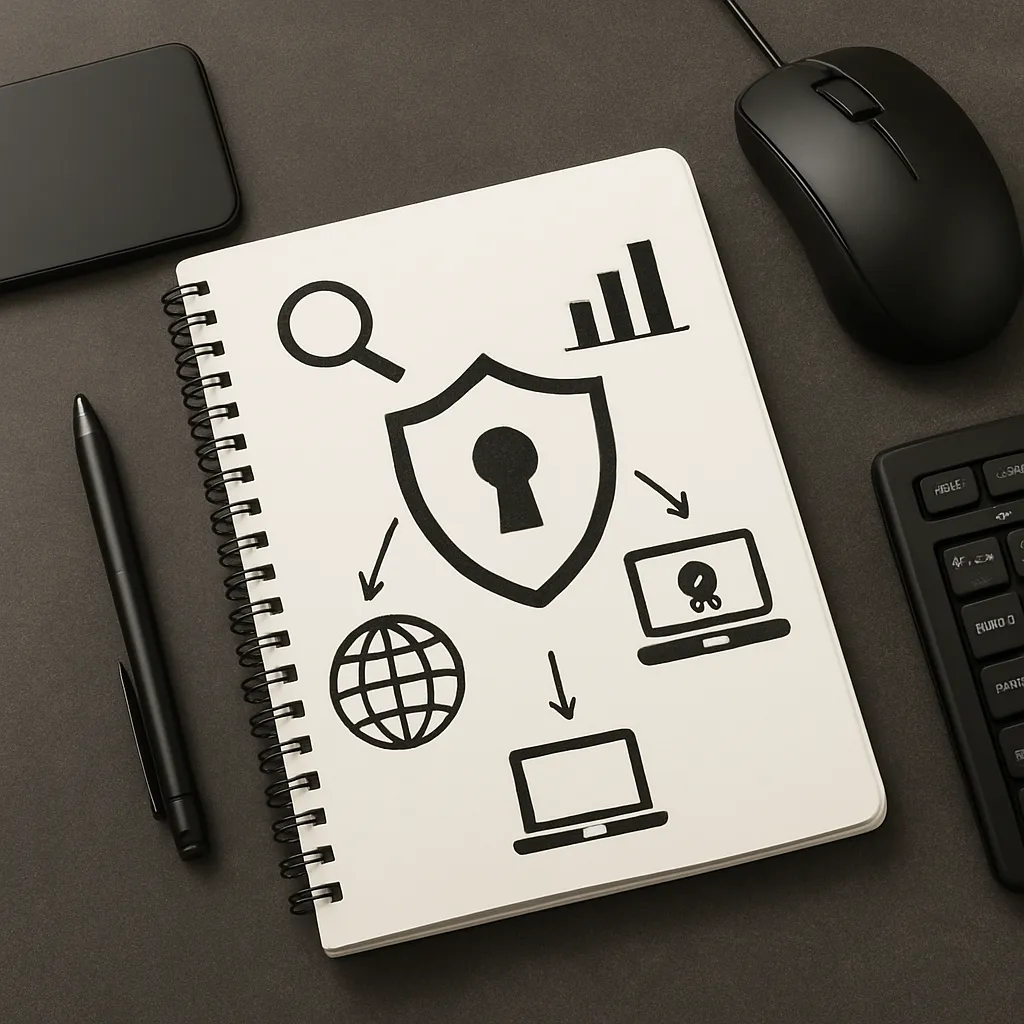
Maintaining a robust posture against digital threats is no longer a luxury. Enterprises of every size must weave cyber hygiene into their operational fabric, ensuring that every employee, process, and technology aligns to thwart malicious actors. Effective practices in this domain not only protect sensitive data but also bolster a company’s reputation and drive sustainable growth.
Understanding Cyber Hygiene: The Foundation of Security
Defining Core Principles
Cyber hygiene refers to the routine measures and habits that organizations adopt to minimize exposure to digital risks. Much like personal hygiene prevents illness, diligent digital care wards off malware, data breaches, and system failures. At its heart lies a set of best practices designed to address known vulnerabilities and ensure that every layer of your network is fortified.
Key Components of Cyber Hygiene
- Regular Updates: Keeping software and firmware current to patch security gaps.
- Access Controls: Enforcing strong passwords, multi-factor authentication, and least-privilege policies.
- Network Segmentation: Dividing networks into isolated zones to limit threat propagation.
- Endpoint Protection: Deploying antivirus tools, firewalls, and intrusion detection systems across all devices.
- Secure Configurations: Hardening systems by disabling unnecessary services and ports.
The Business Impacts of Neglect
Ignoring cyber hygiene can lead to catastrophic outcomes. Data leaks may expose customer information, triggering legal penalties for non-compliance. Ransomware attacks can halt operations for days, eroding customer trust and incurring substantial recovery costs. Even a minor breach can damage your brand and undermine stakeholder confidence.
Implementing Effective Cyber Hygiene Practices
Establishing a Risk Management Framework
To systematically address security challenges, organizations must adopt a comprehensive risk management strategy. This includes:
- Conducting regular risk assessments to identify potential threats and vulnerabilities.
- Prioritizing high-impact risks and allocating resources accordingly.
- Developing incident response plans that outline roles, responsibilities, and communication channels in a crisis.
Fostering a Culture of Security Awareness
Human error remains one of the top drivers of breaches. Cultivating a strong security culture is vital. Steps include:
- Ongoing training programs to educate employees about phishing, social engineering, and password hygiene.
- Simulated attacks to test readiness and reinforce lessons learned.
- Incentive programs that reward vigilant behaviors and reporting of suspicious activities.
By embedding awareness into performance metrics and daily workflows, organizations can turn employees into active defenders rather than passive observers.
Leveraging Automation and Tools
Manual processes can be slow and error-prone. Automation accelerates routine tasks and ensures consistent application of security controls:
- Patch management systems to apply updates promptly.
- Security Information and Event Management (SIEM) platforms that aggregate logs and trigger alerts.
- Endpoint Detection and Response (EDR) solutions that monitor device behavior in real time.
Integrating these solutions into a unified dashboard enables security teams to gain holistic visibility and act swiftly when anomalies arise.
Measuring and Sustaining Cyber Hygiene for Long-Term Success
Key Performance Indicators and Metrics
Quantifiable metrics help business leaders gauge the effectiveness of their cyber hygiene programs. Essential KPIs include:
- Patch Compliance Rate: Percentage of systems updated within defined timeframes.
- Mean Time to Detect (MTTD): Average time taken to identify a security incident.
- Mean Time to Respond (MTTR): Average time to contain and remediate threats.
- Number of Security Incidents: Trends over time indicating improvements or regressions.
- User Training Completion Rate: Proportion of staff who have finished security awareness modules.
Continuous Improvement Cycles
A one-off push for stronger security won’t suffice. Organizations need a feedback loop that:
- Reviews incidents and lessons learned.
- Updates policies and procedures to address emerging risks.
- Refines training curricula based on real-world attack patterns.
- Reassesses third-party vendors for compliance and risk management alignment.
Building Organizational Resilience
True resilience emerges when businesses can absorb shock, adapt, and continue operations under duress. Achieving this state requires:
- Robust backup and disaster recovery plans.
- Cross-functional collaboration between IT, legal, HR, and executive teams.
- Regular tabletop exercises to validate incident response readiness.
- Investment in security research and threat intelligence to anticipate future challenges.
By weaving resilience into corporate strategy, companies ensure that setbacks become mere detours rather than catastrophes.