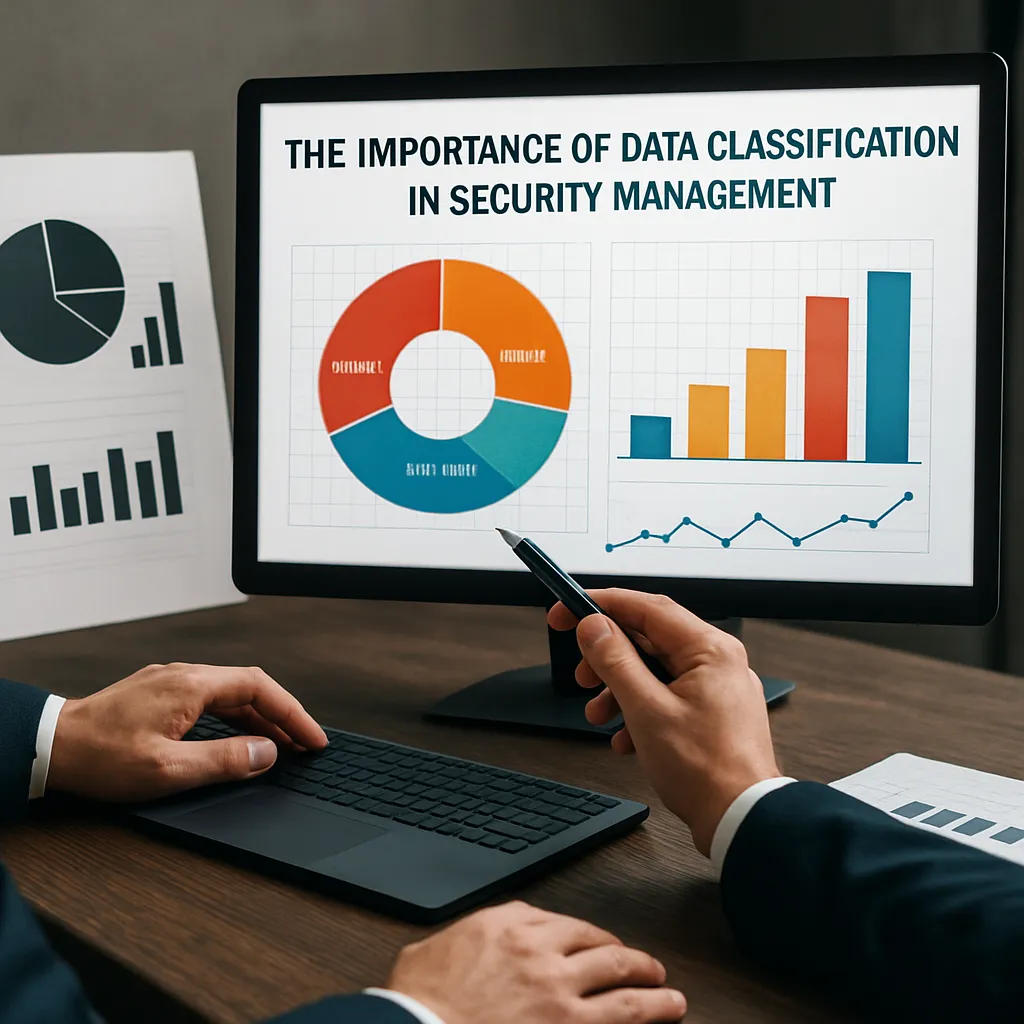
Effective security oversight is critical for organizations aiming to safeguard assets, maintain trust, and sustain growth. By adopting regular security audits, businesses can uncover hidden weaknesses, reinforce protocols, and adapt to shifting threats. This article explores how systematic evaluation of security controls enhances overall performance across multiple dimensions of corporate operations.
Enhancing Risk Management and Compliance
A proactive approach to vulnerability identification
Detecting vulnerabilities before they are exploited is the cornerstone of a mature security strategy. Security audits employ a combination of automated tools and human expertise to scan networks, applications, and configurations. Conducting these assessments on a consistent basis ensures that emerging weaknesses are spotted and resolved quickly. By prioritizing remediation efforts, organizations can reduce the likelihood of a breach and minimize potential financial and reputational losses.
Meeting regulatory standards
Many industries must adhere to stringent frameworks such as GDPR, HIPAA, PCI DSS, or ISO 27001. Regular audits demonstrate a commitment to compliance and provide documented evidence that policies, procedures, and controls align with legal requirements. This not only minimizes the risk of hefty fines and legal penalties but also streamlines interactions with external auditors and regulators. When businesses integrate compliance checks into their audit routine, they foster a culture of accountability and continuous improvement.
Strengthening Operational Resilience
Improving incident response capabilities
An organization’s resilience hinges on the effectiveness of its incident response plan. Security audits simulate real-world attack scenarios—such as phishing campaigns, ransomware infiltration, or insider threats—to evaluate detection and mitigation workflows. By rigorously testing escalation procedures and communication channels, audits expose gaps in roles, responsibilities, and technical tooling. Addressing these gaps empowers teams to respond rapidly and cohesively during an actual security event.
Ensuring business continuity
Downtime and data loss can cripple operations and damage customer trust. Regular security audits assess backup strategies, failover mechanisms, and disaster recovery plans to confirm they function as intended. Through continuity testing—whether tabletop exercises or full-scale rehearsals—businesses validate that critical systems can be restored within defined recovery time objectives (RTOs) and recovery point objectives (RPOs). This level of preparedness reduces the impact of disruptions and keeps essential services available to clients and stakeholders.
Boosting Stakeholder Confidence and Brand Reputation
Building trust with clients and partners
Transparency around security practices strengthens relationships with customers, suppliers, and investors. Sharing audit results—while maintaining confidentiality where necessary—demonstrates that robust governance processes are in place. Prospective clients are more likely to engage when they see tangible proof of diligence, such as independent audit certificates or attestation letters. This trust translates into competitive advantage, higher renewal rates, and access to new markets.
Protecting corporate image
News of a data breach can severely undermine brand equity. Regular audits act as a preemptive measure, reducing the probability of publicized incidents. In the event of an attack, organizations with proven audit histories can swiftly communicate their preparedness and response, which helps manage public perception. Companies that treat security as a strategic priority cultivate a reputation for reliability and responsibility, thereby attracting talent and fostering long-term loyalty.
Key Elements of an Effective Security Audit
- Scope definition: Clearly outline the systems, networks, and processes to be examined to avoid blind spots.
- Risk assessment: Evaluate the likelihood and impact of potential threats to prioritize audit tasks.
- Testing methodologies: Employ a blend of vulnerability scanning, penetration testing, configuration reviews, and social engineering exercises.
- Reporting and remediation: Provide detailed findings, risk ratings, and actionable recommendations for timely fixes.
- Follow-up audits: Verify that corrective measures have been implemented and remain effective over time.
Implementing a Sustainable Audit Program
Frequency and scheduling
The cadence of audits should align with the organization’s risk profile, regulatory obligations, and technology lifecycle. High-risk environments may require quarterly or even monthly reviews, whereas more stable contexts might settle for semi-annual or annual assessments. Establishing a recurring schedule ensures audits become an ingrained practice rather than a one-off exercise. Calendaring key milestones, such as policy updates or system upgrades, helps auditors anticipate changes and maintain continuous oversight.
Choosing the right audit team
Effective audits combine internal and external expertise. In-house security professionals bring deep knowledge of organizational processes, while third-party experts contribute fresh perspectives and specialized skills. Whether leveraging a dedicated security operations center (SOC), managed security service provider (MSSP), or independent consultants, teams should possess relevant certifications, such as CISSP, CISA, or CEH. This blend of talent guarantees thorough evaluations and fosters knowledge transfer to internal staff.
Embedding Continuous Improvement
A successful security audit program must evolve in concert with the threat landscape and business objectives. By tracking key performance indicators—such as time to remediate findings, the number of recurring issues, and overall risk reduction—organizations can fine-tune their security posture. Integrating feedback loops between audit teams, IT operations, and leadership ensures that lessons learned inform policy revisions, staff training, and technological investments. In doing so, businesses transform audits from a compliance obligation into a dynamic engine for organizational resilience and growth.