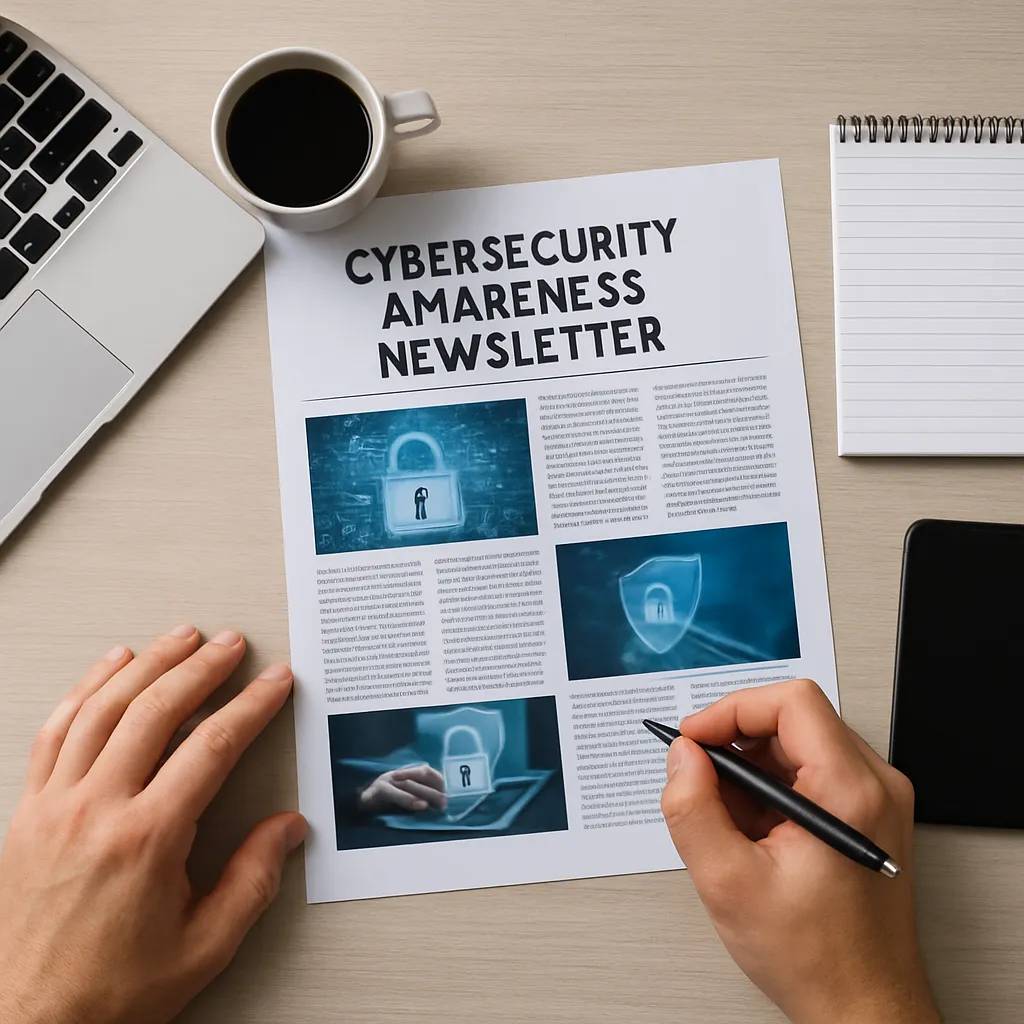
Creating an effective cybersecurity awareness newsletter is a powerful way to keep employees informed, vigilant, and motivated to protect corporate assets. Such a newsletter bridges the gap between complex IT policies and everyday behavior, transforming abstract concepts into bite-sized, actionable insights. By focusing on clear communication, consistent branding, and measurable outcomes, you can foster a culture of security that extends well beyond the confines of a single email.
Identifying Purpose and Audience
Before drafting content, it’s essential to clarify the primary goal of your newsletter. Are you aiming to raise overall awareness about emerging threats, reinforce existing compliance protocols, or highlight success stories where vigilant behavior prevented breaches? Defining a clear purpose will guide the tone, frequency, and structure of each edition. Equally important is understanding your audience. Different departments—such as finance, human resources, and engineering—face unique risks and require tailored recommendations.
- Stakeholder interviews: Engage department heads to identify specific concerns and desired outcomes.
- Surveys and polls: Use quick polls to gauge current knowledge levels and preferred formats.
- Segmentation: Divide subscribers into relevant groups so you can deliver customized content.
By investing time in audience research, you ensure that each newsletter edition resonates with readers and addresses real-world challenges.
Planning and Crafting Engaging Content
A standout newsletter balances informative material with compelling storytelling. Integrate the following elements to maximize impact:
- Threat highlights: Summaries of recent phishing campaigns or malware outbreaks, emphasizing tactics and indicators of compromise.
- Practical tips: Step-by-step instructions, such as enabling multi-factor authentication or verifying email senders.
- Case studies: Real incidents within or outside your organization that demonstrate both pitfalls and best practices.
- Interactive quizzes: Brief knowledge checks that reinforce learning and boost engagement.
- Resource links: Curated articles, videos, or internal documentation for deeper dives.
Crafting a Compelling Narrative
Storytelling is a powerful device to make technical concepts relatable. Start with a scenario—such as an employee discovering a suspicious email—and walk readers through the decision points that lead to either a successful report or a costly mistake. This approach transforms abstract warnings into memorable lessons. Use plain language, minimize jargon, and break text into digestible sections with subheaders, bullet points, and bolded keywords.
Maintaining Consistency
Consistency in tone, style, and schedule builds trust and anticipation. Choose a recognizable template: a consistent color palette, logo placement, and font hierarchy. Whether you opt for monthly, biweekly, or quarterly issues, stick to a reliable cadence so readers know when to look for your newsletter. A clear subject line—such as “Cybersecurity Update: April Highlights”—improves open rates by setting accurate expectations.
Designing and Distributing Your Newsletter
A well-designed newsletter guides the eye, highlights priorities, and ensures accessibility on multiple devices. Follow these best practices:
- Responsive layout: Ensure compatibility with desktop, tablet, and mobile screens.
- Visual hierarchy: Use headings, dividers, and white space to separate key sections.
- Visual aids: Incorporate infographics, charts, or icons to illustrate statistics or processes.
- Call-to-action (CTA) buttons: Provide clear next steps, such as “Report a Phishing Email” or “Join Our Security Webinar.”
- Accessibility: Include alt text for images and ensure color contrast meets guidelines for visually impaired readers.
Email Platform Selection
Choose an email marketing or internal communications platform that supports your requirements: subscriber management, template customization, scheduling, and analytics. Platforms with built-in A/B testing can help you refine subject lines or content blocks to maximize open and click rates. Integrating with your company’s directory simplifies segmentation and ensures that new hires automatically receive future editions.
Timing and Frequency
Strike a balance between regular touchpoints and information overload. A monthly newsletter often provides enough time to gather new insights and monitor emerging threats without overwhelming recipients. However, consider special editions following significant security events—such as a high-profile data breach in your industry—to reinforce vigilance when attention is most critical.
Measuring Success and Continuous Improvement
Quantifiable metrics are essential for demonstrating the newsletter’s value and guiding refinements. Key performance indicators include:
- Open rate: Percentage of recipients who view the newsletter.
- Click-through rate: Ratio of readers who engage with CTAs, quizzes, or resource links.
- Engagement time: How long subscribers spend reading each section.
- Feedback submissions: Volume and quality of reader comments, suggestions, and questions.
- Incident reporting: Increase in reported phishing attempts or suspicious activities after publication.
Regularly review these metrics and compare them against benchmarks. If open rates dip, experiment with more compelling subject lines or teaser text. Low click rates may indicate that content isn’t aligned with reader interests—consider surveying the audience for topic suggestions.
Iterative Content Refinement
Adopt an agile mindset: each edition offers new insights into what resonates. Adjust content length, format, or visual style based on analytics and direct feedback. Celebrate successes, such as a drop in security incidents or high participation in training sessions, to reinforce the newsletter’s effectiveness and maintain stakeholder support.
Encouraging Two-Way Communication
An effective newsletter isn’t solely top-down. Invite readers to contribute by:
- Sharing personal security tips or experiences.
- Suggesting topics for upcoming issues.
- Participating in polls or quizzes that shape future content.
This collaborative approach fosters a sense of community and shared responsibility, driving sustained improvement in organizational security culture.


