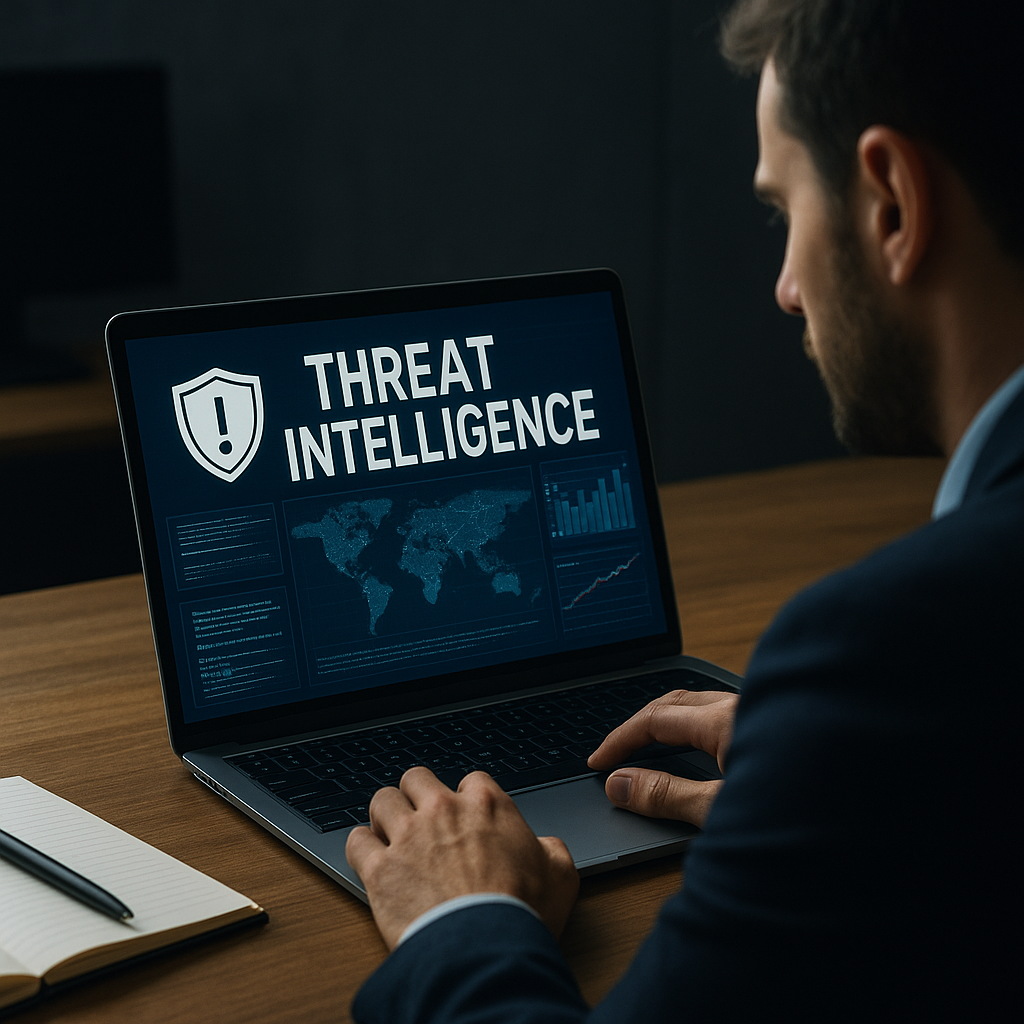
The concept of threat intelligence has become an indispensable element in the arsenal of modern enterprises battling increasingly sophisticated digital assaults. By converting raw data about potential dangers into actionable insights, organizations can anticipate and neutralize risks before they escalate into damaging incidents. This article delves into the essence of threat intelligence, its diverse forms, and practical methods for weaving it into a robust business security strategy.
Understanding the Essence of Threat Intelligence
At its core, threat intelligence refers to the systematic collection, analysis, and interpretation of information about current or emerging risks to an organization’s digital ecosystem. Unlike generic security protocols, threat intelligence provides a contextual understanding of adversaries’ tactics, techniques, and procedures (TTPs). This depth of awareness enables security teams to move beyond reactive measures and embrace a proactive defense posture.
Key benefits of integrating threat intelligence include:
- Enhanced detection of anomalous activity before it escalates.
- Prioritization of vulnerabilities based on actual threat likelihood.
- Optimized allocation of cybersecurity resources.
Moreover, the interplay between threat intelligence and other security domains—such as endpoint protection, network monitoring, and incident response—amplifies the overall resilience of enterprise defenses. In a landscape defined by zero-day exploits and advanced persistent threats (APTs), having robust intelligence capabilities can mean the difference between swift containment and protracted recovery.
Types and Sources of Threat Intelligence
Effective threat intelligence draws upon multiple sources, each offering unique perspectives and data granularity. Broadly, these sources can be categorized as:
- Open-source intelligence (OSINT): Publicly available data such as security blogs, vulnerability databases, and social media chatter.
- Closed-source intelligence: Proprietary feeds and paid threat data services that supply curated information on malware signatures, phishing campaigns, and hacker forums.
- Human intelligence (HUMINT): Insights from security researchers, ethical hackers, and industry sharing groups who uncover novel attack patterns.
- Technical intelligence (TECHINT): Machine-generated logs, network packet captures, and telemetry extracted from security appliances and SIEM platforms.
Another critical domain is the monitoring of the dark web, where threat actors often convene to trade stolen credentials and discuss emerging exploits. Coupling dark web monitoring with SIEM-derived logs allows security teams to spot correlations, such as compromised credentials being offered for sale shortly after a breach.
Combining these sources through a threat intelligence platform (TIP) enables organizations to verify the veracity of indicators, enrich raw data with contextual metadata, and disseminate high-fidelity intelligence across security teams.
Implementing Threat Intelligence in Business Security Strategy
Integrating threat intelligence into the broader security framework requires a methodical approach that aligns with organizational priorities and risk appetite. Key steps include:
- Assessment of current capabilities: Conduct a gap analysis to determine existing intelligence maturity and resource constraints.
- Definition of use cases: Identify high-impact scenarios—such as protection against ransomware or detection of insider threats—where intelligence can deliver immediate value.
- Selection of tools and partnerships: Evaluate threat intelligence platforms, managed intelligence services, and industry information-sharing alliances.
- Workforce training: Equip analysts with the skills to interpret indicators of compromise (IOCs) and to translate intelligence into actionable playbooks.
For instance, a financial institution under constant regulatory scrutiny might focus on detecting sophisticated phishing campaigns aimed at intellectual property theft. By subscribing to a specialized intelligence feed and integrating it with their email security gateway, they can automatically quarantine suspicious messages based on known sender IPs or domain reputation scores.
Another practical measure is to embed threat intelligence directly into security orchestration, automation, and response (SOAR) workflows. This fusion enables rapid enrichment of security incidents with threat context—accelerating containment and reducing mean time to resolution (MTTR).
Measuring the Impact and ROI of Threat Intelligence
Quantifying the return on investment (ROI) for threat intelligence programs can be challenging, yet vital to secure executive buy-in and maintain budgetary support. Consider the following metrics:
- Reduction in incident response time: Track how threat intelligence accelerates detection and mitigation.
- Decrease in false positives: Assess improvements in alert accuracy when enriched with contextual data.
- Cost avoidance: Estimate savings from prevented data breaches, regulatory fines, and reputational damage.
- Intelligence coverage gap closure: Monitor the percentage of identified risks addressed by actionable intelligence.
Regularly presenting these metrics to stakeholders—backed by case studies of prevented attacks—helps maintain momentum and underlines the strategic value of continuous intelligence operations.
Challenges and Best Practices for Sustained Success
While the benefits of threat intelligence are clear, organizations must navigate several challenges to ensure long-term effectiveness:
- Data overload: Filtering through vast volumes of threat data to surface high-priority alerts.
- Integration hurdles: Ensuring seamless interoperability among TIPs, SIEMs, and endpoint detection platforms.
- Skill shortages: Bridging the gap between raw data analysts and seasoned threat hunters.
- Timeliness: Acquiring and actioning real-time intelligence before adversaries pivot to new tactics.
To overcome these obstacles, security leaders should adopt best practices such as:
- Implementing automated enrichment and correlation engines to reduce manual workload.
- Engaging in cross-industry information sharing groups, leveraging collective defense approaches.
- Running regular tabletop exercises to validate intelligence-driven playbooks under simulated attack conditions.
- Investing in continuous training programs and threat hunting apprenticeships.
Ultimately, sustainable threat intelligence programs hinge on a culture of collaboration, where security teams, IT operations, and executive leadership share a unified vision of risk reduction and long-term resilience.