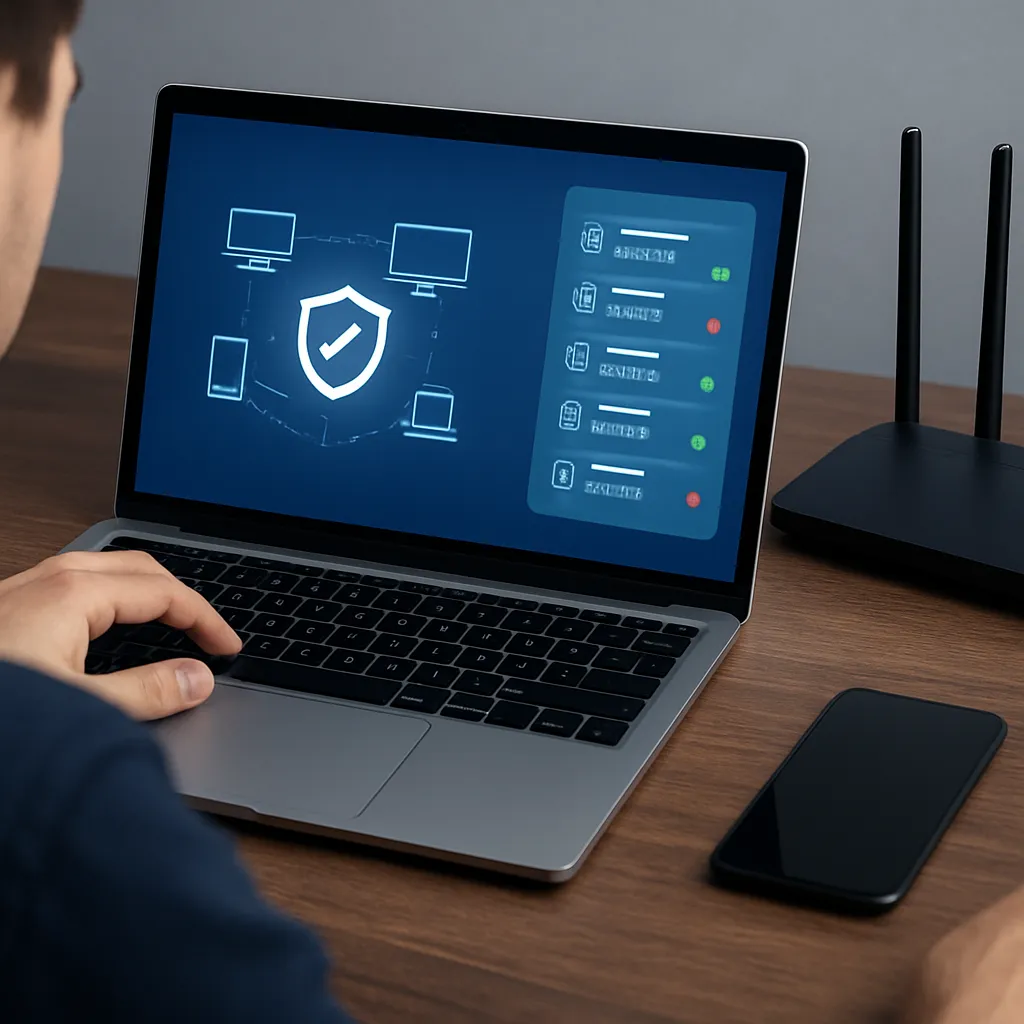
Effective network security demands a proactive approach to identifying and neutralizing threats before they can compromise critical systems. Unauthorized devices lurking on corporate networks can become gateways for data breaches, espionage, and malware propagation. By understanding the nature of these hidden endpoints, deploying advanced detection tools, and maintaining vigilant monitoring practices, organizations can thwart potential security incidents and maintain a robust defensive posture.
Understanding the Risks of Unauthorized Devices
Any unapproved gadget connected to your infrastructure—be it a rogue wireless access point, a misconfigured IoT sensor, or an employee’s personal smartphone—poses a significant vulnerability. Attackers often exploit these endpoints to launch lateral movements, capture sensitive traffic, or establish persistent footholds. Below are some common scenarios that illustrate why detecting unauthorized devices should be a top priority:
- Rogue Access Points: An attacker can introduce a malicious Wi-Fi hotspot that tricks users into connecting, enabling the interception of credentials and confidential data.
- Shadow IT Devices: Employees sometimes deploy unapproved hardware—like personal cloud routers—to circumvent corporate policies, inadvertently creating security gaps.
- Compromised IoT Endpoints: Smart cameras, environmental sensors, or printers with default credentials can be hijacked and used as a stepping stone for network intrusion.
Beyond these cases, unauthorized devices often exhibit unpredictable behavior. They may broadcast unusual network traffic patterns, consume unexpected bandwidth, or even respond to network scans in ways that reveal their presence. Recognizing these anomalies requires both technical controls and an organizational culture that values disciplined asset management.
Implementing Detection Techniques
To effectively identify rogue endpoints, security teams must deploy a combination of tools and methodologies. Relying on a single technique leaves gaps that skilled adversaries can exploit. The following strategies complement each other to deliver comprehensive detection:
1. Network Access Control (NAC)
Network Access Control systems enforce policies at the point of entry. Before granting connectivity, NAC solutions verify device compliance with security standards—such as up-to-date antivirus, correct VLAN assignments, or valid digital certificates. Noncompliant or unknown devices can be automatically quarantined, preventing them from communicating with sensitive segments.
2. Active Network Scanning
Regularly scheduled scans using tools like Nmap or commercial vulnerability scanners reveal all IP addresses and open ports on the network. These scans can detect:
- Unexpected MAC address prefixes linked to personal or foreign devices.
- Newly opened ports or services that shouldn’t be running.
- Devices that fail to authenticate against the corporate directory.
By comparing scan results to an authorized device inventory, teams can pinpoint discrepancies requiring investigation.
3. Wireless Intrusion Prevention Systems (WIPS)
WIPS deployments continuously monitor radio frequencies for unauthorized access points and client connections. Advanced solutions can:
- Identify spoofed SSIDs or evil twin access points.
- Detect anomalous signal strengths and channel usage that deviate from baseline patterns.
- Generate real-time alerts when new wireless devices join the infrastructure.
4. Passive Traffic Analysis
By capturing network packets at strategic points—such as core switches or dedicated taps—security teams can analyze conversation flows without actively probing devices. Passive analysis excels at detecting:
- Unencrypted or suspicious traffic destined for unknown endpoints.
- ARP poisoning attempts and duplicate IP addresses.
- DNS queries to malicious domains originating from rogue devices.
Establishing Continuous Monitoring and Response
Detection is only one facet of a robust security strategy. To maintain ongoing vigilance, organizations must integrate monitoring processes with incident response planning. The following best practices ensure that no unauthorized device slips through the cracks:
1. Maintain an Accurate Asset Registry
Creating a dynamic inventory that catalogs every approved device—complete with MAC addresses, physical locations, and functional roles—enables rapid comparison against live network data. Automated updates via integration with DHCP logs, Active Directory, and endpoint management platforms keep the registry current.
2. Leverage Security Information and Event Management (SIEM)
A SIEM aggregates logs from switches, routers, firewalls, NAC appliances, and wireless controllers. Correlating events across these sources can surface patterns indicative of unauthorized access, such as:
- Failed authentication attempts followed by successful connections from unknown devices.
- Policy violations triggered by non‐compliant endpoint behavior.
- Repeated DHCP requests from the same physical port, suggesting MAC spoofing or device swapping.
3. Deploy Endpoint Detection and Response (EDR)
While EDR primarily focuses on hosts under management, it can also flag unmanaged or uncommon operating systems found on the network. Suspicious binaries or lateral movement tools executed by rogue endpoints will raise alerts for security analysts.
4. Conduct Regular Audits and Penetration Tests
Engaging internal or third‐party auditors to perform blind network assessments uncovers hidden devices that automated tools may miss. Penetration testers often discover ingenious ways to connect clandestine hardware, prompting valuable policy improvements.
5. Automate Remediation Workflows
Speed is critical when an unauthorized device is detected. Integrating detection platforms with network infrastructure enables automated responses, such as:
- Immediate VLAN reassignment to a quarantined segment.
- Port shutdown commands issued to the relevant switch.
- Blocking of MAC addresses via access control lists on firewalls.
These automated actions buy time for security teams to investigate root causes and perform manual follow-up.
Building a Culture of Network Security Awareness
Technology alone cannot guarantee protection against rogue devices. A strong security culture—where employees understand the importance of approved hardware use and promptly report anomalies—amplifies technical controls. Key initiatives include:
- Regular training sessions on shadow IT risks and safe connectivity practices.
- Clear communication of device usage policies and disciplinary measures for noncompliance.
- Helpdesk channels dedicated to hardware provisioning and expedited approvals.
By fostering collaboration between IT, security, and business units, organizations create an environment where detecting and neutralizing unauthorized devices becomes a shared priority.